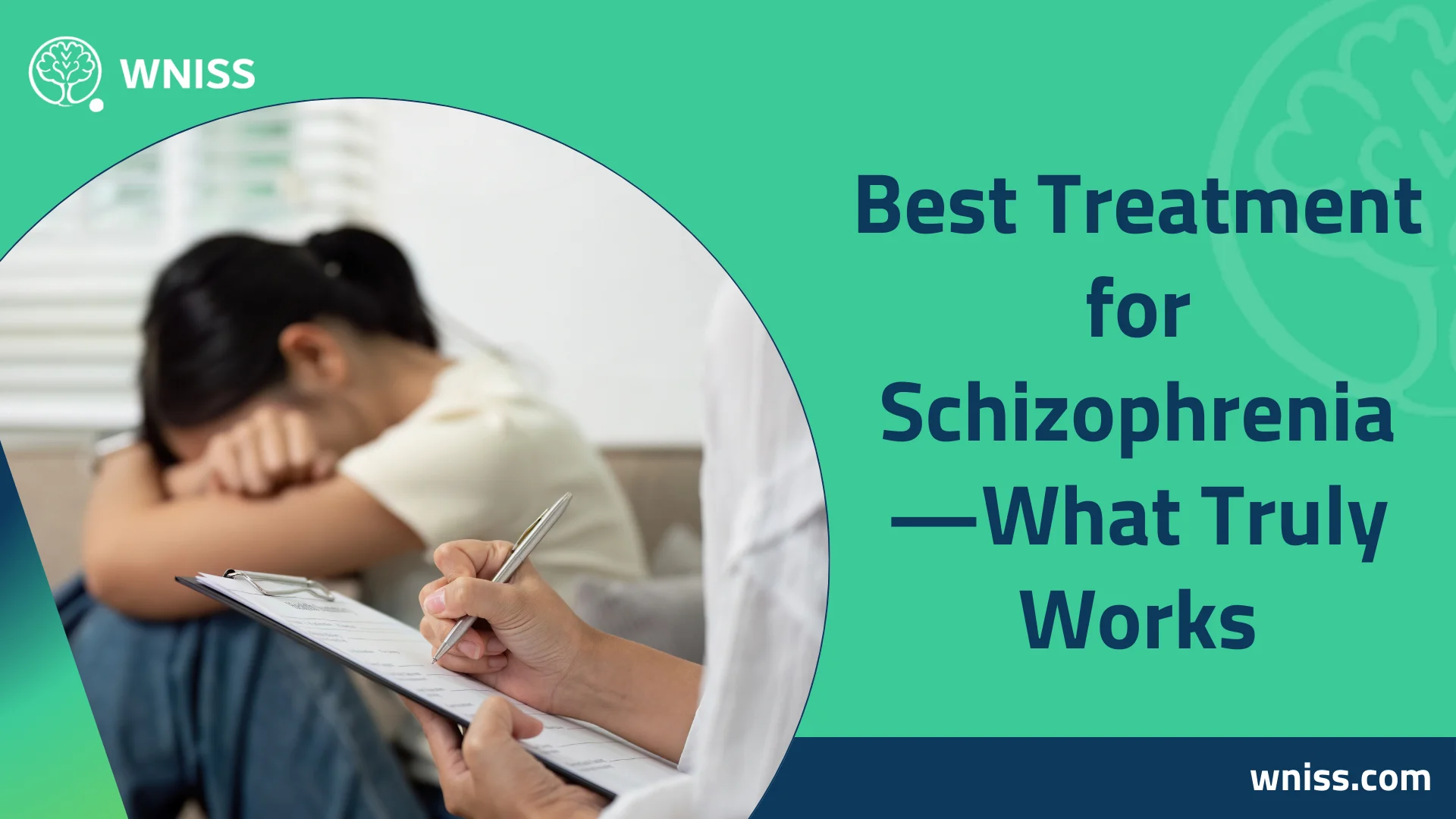
The phrase best treatment for schizophrenia often implies a single breakthrough pill or a secret therapy. In reality, recovery is built from a coordinated plan: medication that reduces core symptoms, targeted psychotherapy that lowers distress and improves thinking and communication, family work that prevents relapse, and practical supports for school or work. This guide translates research into clear choices you can use now—covering CBT for psychosis (CBT-p), family intervention, social skills training, cognitive remediation, medication options, and coordinated specialty care—so you can assemble a treatment that actually fits your life.
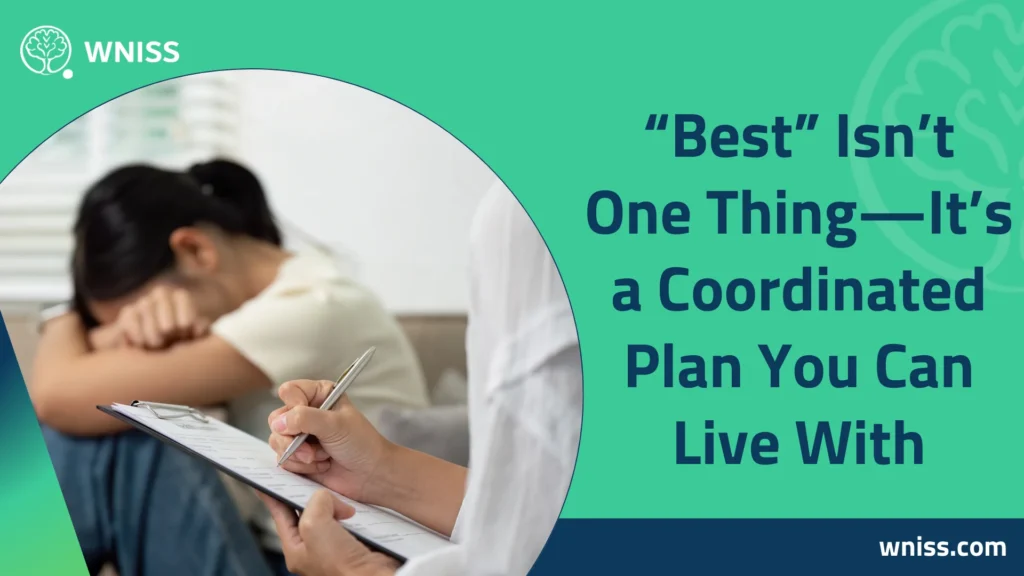
“Best” Isn’t One Thing—It’s a Coordinated Plan You Can Live With
The best treatment for schizophrenia is the one you can follow week after week, because it integrates biology, behavior, and support; start by framing treatment as a system rather than a single lever:
- Make room for multiple tools: combine psychotherapy for schizophrenia (CBT-p, family), medication, and skills training instead of chasing a lone fix.
- Track progress visibly: use symptom/function logs so you and your team decide by data, not guesswork.
- Aim for life goals: treatment should point to education, work, friendships—not just fewer symptoms.
Evidence-Based Psychotherapies (What Lowers Distress and Relapse)
Psychotherapy addresses what medication alone can’t—meaning, coping, routines, and relationships; the treatment of schizophrenia works best when therapy is structured and skills-based:
- CBT-p (Cognitive Behavioral Therapy for Psychosis): map triggers and appraisals; run gentle behavioral experiments; build coping menus for voices/suspiciousness; reduce avoidance so confidence returns.
- Family Intervention: educate loved ones; practice clear, low-conflict communication; write an early-warning plan; family alignment measurably reduces relapse.
- Social Skills Training: rehearse conversation, assertiveness, problem-solving; translate gains into community participation and independence.
Medication—Foundational, Individualized, and Monitored
Medication choice is personal, but principles are consistent; think safety, side-effect monitoring, and adherence strategies while discussing the best drug for schizophrenia with your prescriber:
- Antipsychotics (oral & long-acting injectables): reduce positive symptoms; LAIs support consistency when daily pills are tough.
- Clozapine for treatment-resistant cases: powerful but monitoring-heavy; discuss benefits/risks and lab schedules.
- Side-effect management: sleep/weight/metabolic plans; movement-side-effect checks; adjust doses thoughtfully to protect functioning.
Early Intervention & Coordinated Specialty Care (CSC)
Starting strong multiplies benefits; a CSC model bundles team roles and keeps everyone pointed at the same goals—perfect when you want new treatment for schizophrenia that is truly integrated:
- Team makeup: prescriber + therapist (CBT-p) + family specialist + supported employment/education coach.
- Measurement culture: shared dashboards for symptoms, sleep, and role functioning guide weekly decisions.
- Stepwise goals: stabilization → routine building → school/work re-entry → community participation.
Cognition & Functioning: Cognitive Remediation + Supported Employment/Education
“Feeling better” matters—but so does doing better; pair thinking-skills work with real-world coaching so improvements show up where life happens:
- Cognitive remediation: therapist-guided attention/memory/speed exercises linked to homework in tasks you care about.
- Supported employment/education: rapid, preference-based job/education help, coordinated with the clinical team.
- Habit scaffolds: calendars, checklists, and environment tweaks so new skills show up under stress.
Safety, Differential Diagnosis & Types of Schizophrenia
Accurate diagnosis drives better plans; clarify the types of schizophrenia and rule-ins/rule-outs to avoid the wrong path:

- Differential diagnosis: mood disorders with psychosis, substance effects, trauma-related conditions, autism/ADHD overlap—ask for a clean workup.
- Pathophysiology (in plain language): expect explanations that connect brain circuits, sleep, stress, and inflammation to day-to-day coping.
- Nursing care plans: concrete steps for sleep, meds, hydration/nutrition, and early-warning responses that families can follow.
Choosing Providers & Programs—Questions that Reveal Quality
Quality hides in details; use questions that pull practices into the open so you actually find the best treatment for schizophrenia for you:
- Therapy: “How often do you deliver CBT-p? What does a 12-week plan look like—sessions, homework, measures?”
- Family: “How will you involve my family/partner and write an early-warning/crisis plan?”
- Medication: “What’s your process for dose changes and side-effect monitoring? Do you offer LAIs?”
- Function: “How will you support work/school goals this month?”
- Data: “What outcomes do you track and how often will we review them together?”
Your Recovery with WNISS (Online, Confidential, Coordinated)
Finding care shouldn’t be another full-time job; at WNISS, we translate the best treatment for schizophrenia into a single plan you can start from home right away:
- Comprehensive online assessment (fast start): clarify diagnosis, risks, and strengths; map immediate sleep and routine goals; align on priorities.
- CBT-p you can actually use: coping menus for voices, thought-testing playbooks, and graded exposure steps—plus weekly homework you’ll keep.
- Family alignment sessions: reduce conflict; write an early-warning/crisis ladder; share roles so support feels doable, not draining.
- Cognition & skills support: social skills rehearsal and cognitive strategies linked to school/work tasks you choose.
- Medication coordination: we liaise with your prescriber on options (including LAIs/clozapine when indicated), labs, and side-effect tracking so progress sticks.
Ready to see progress, not just promises? Book a confidential consult now at wniss.com/en and get one coordinated plan instead of scattered next steps.
FAQs about Best Treatment for Schizophrenia
What is the most effective therapy for schizophrenia?
The most effective psychotherapy for schizophrenia blends CBT-p (to reduce distress and avoidance) with family intervention (to prevent relapse) and skills training (to improve functioning)—delivered consistently and measured weekly.
How to best manage schizophrenia?
Management is a system:
- Medication you can adhere to (consider LAIs if daily pills are hard).
- CBT-p + family sessions with a written early-warning plan.
- Sleep/routine anchors and substance-use reduction.
- Supported employment/education to keep life goals front and center.
Can you fully recover from schizophrenia?
Many people achieve sustained recovery—meaning fewer symptoms, better functioning, and meaningful roles. Recovery is more likely with early, integrated care, steady routines, and family alignment.
What is the latest treatment for schizophrenia?
“Latest” often means better integration: CSC teams, broader access to LAIs, expanding cognitive remediation, and tele-delivered CBT-p/family work—rather than a single brand-new pill.
What is the strongest medication for schizophrenia?
Strength depends on the goal and your history. Clozapine is effective for treatment-resistant cases but requires monitoring. For many, second-generation antipsychotics—especially as long-acting injectables—offer strong, steady benefits.
There isn’t one “best” therapy or drug—there’s a best plan. Combine medication, CBT-p, family work, skills training, and supported employment/education, then measure and adjust together. If you’d like help turning this into a weekly routine, WNISS can meet you online and coordinate everything—so improvement becomes visible and sustainable.