
خطوتك الأولى نحو راحة البال تبدأ من هنا
Signs of High-Functioning Functional Depression Today
Quick Answer: What Are Signs of High-Functioning Functional Depression?
High-functioning functional depression describes a situation where a person continues managing work, relationships, and daily responsibilities while privately experiencing persistent depressive symptoms. Common signs include constant fatigue, emotional numbness, perfectionism, hiding sadness, reduced enjoyment, sleep changes, and feeling exhausted despite appearing successful.
| Key Area | Common Signs |
|---|---|
| Emotional Health | Persistent sadness, emptiness, irritability, feeling disconnected |
| Daily Performance | Maintaining responsibilities while struggling internally |
| Energy Levels | Chronic tiredness, low motivation, mental exhaustion |
| Social Behavior | Avoiding vulnerability, masking emotions, isolation |
| Thinking Patterns | Self-criticism, hopeless thoughts, perfectionism |
| Physical Symptoms | Sleep problems, appetite changes, unexplained aches |
Understanding High-Functioning Functional Depression
High-functioning functional depression is a term often used to describe people who experience depression symptoms while still appearing productive and capable. Although it is not a formal diagnosis in medical manuals, it is commonly associated with persistent depressive disorder, also called dysthymia.
People with this form of depression may go to work, care for families, achieve goals, and maintain social responsibilities. However, their internal experience can involve emotional pain, low energy, and a constant struggle to keep going.
Unlike severe depression, where symptoms may clearly disrupt daily life, high-functioning depression can remain hidden for years. Many individuals dismiss their feelings because they believe they are “doing fine” based on external achievements.
Common Signs of High-Functioning Functional Depression
1. Constant Feeling of Exhaustion
One of the most noticeable signs of high-functioning functional depression is ongoing tiredness. A person may complete daily tasks but feel mentally and physically drained afterward.
This exhaustion is not always solved by sleep or rest. Many individuals describe feeling like they are continuously running on limited energy while forcing themselves to meet expectations.
2. Appearing Successful While Feeling Empty
People with high-functioning depression often maintain a positive outward image. They may receive praise at work, achieve academic goals, or support others emotionally.
However, behind this appearance, they may experience:
Emotional emptiness
Lack of excitement
Feeling disconnected from achievements
A sense that something is missing
Success does not always reflect emotional wellbeing.
3. Losing Interest in Enjoyable Activities
A reduced ability to experience pleasure, known as anhedonia, is a common depression symptom.
Someone may continue hobbies or social activities because they feel obligated, but the activities no longer create happiness or satisfaction.
Examples include:
Watching favorite shows without enjoyment
Avoiding hobbies once considered meaningful
Feeling indifferent about accomplishments
Participating socially while feeling detached
4. Hiding Emotional Struggles
Many people with high-functioning depression become skilled at masking their feelings. They may smile, help others, and appear confident while privately struggling.
Common masking behaviors include:
Saying “I’m fine” when feeling overwhelmed
Avoiding conversations about emotions
Helping others but refusing support
Keeping personal struggles private
This emotional hiding can make it difficult for others to recognize the need for help.
High-Functioning Functional Depression and Perfectionism
Perfectionism frequently appears alongside hidden depression. Some individuals believe that maintaining high standards will protect them from criticism or failure.
They may:
Work excessively
Fear making mistakes
Feel guilty when resting
Judge themselves harshly
Although achievement can create temporary satisfaction, perfectionism can increase stress and emotional exhaustion over time.
Sleep and Physical Changes
Depression does not only affect emotions. It can influence physical health and daily routines.
Possible physical signs include:
Difficulty falling asleep
Sleeping too much
Changes in appetite
Low energy levels
Frequent headaches or body discomfort
These symptoms may appear mild but can continue for months or years.
Internal Thoughts Behind a High-Functioning Appearance
Many people experiencing high-functioning functional depression describe recurring thoughts such as:
“I should be happier.”
“Others have it worse.”
“I cannot slow down.”
“I must keep performing.”
“Nobody would understand.”
These thoughts can prevent individuals from recognizing their own emotional needs.
Causes and Risk Factors
High-functioning depression can develop from multiple factors rather than one single cause.
Biological Factors
Changes in brain chemistry, genetics, and stress-response systems may influence depression risk.
Life Stress
Long-term stress from work, relationships, financial pressure, or major life changes can contribute to depressive symptoms.
Personality Traits
Certain traits may increase vulnerability, including:
High responsibility
Strong self-control
Perfectionism
Difficulty asking for help
Past Emotional Experiences
Previous emotional challenges, trauma, or prolonged periods of stress may affect mental health patterns.
High-Functioning Depression vs Normal Sadness
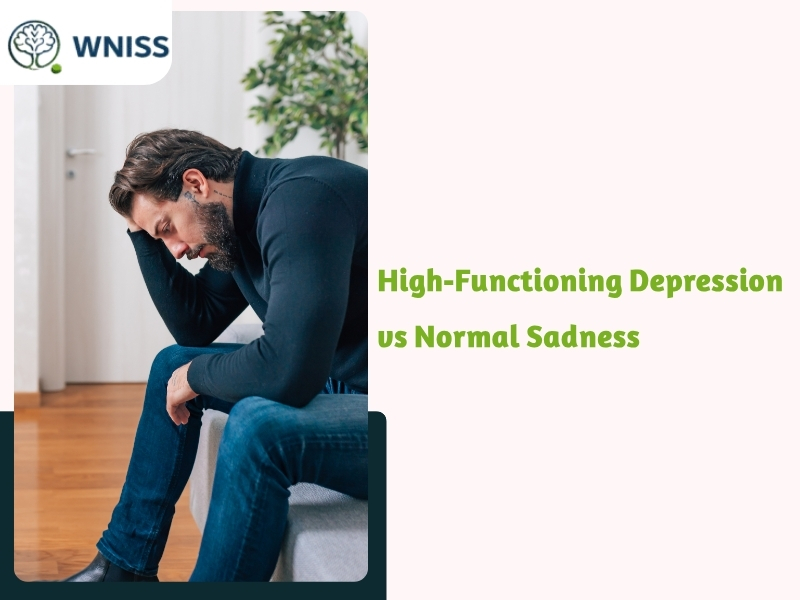
Feeling sad occasionally is a normal human experience. Depression usually involves longer-lasting symptoms that affect thoughts, emotions, and physical wellbeing.
| Normal Sadness | High-Functioning Depression |
|---|---|
| Usually improves with time | May continue for months or years |
| Connected to a specific event | May exist without a clear reason |
| Emotions gradually recover | Persistent low mood continues |
| Daily life remains emotionally balanced | Internal struggle continues despite productivity |
When to Seek Professional Support
A mental health professional can help evaluate symptoms and provide appropriate support. Seeking help may be beneficial when:
Low mood continues for several weeks
Enjoyment decreases significantly
Daily responsibilities feel overwhelming
Sleep or appetite changes occur
Negative thoughts become frequent
Treatment options may include psychotherapy, lifestyle changes, medication when appropriate, or a combination of approaches.
You can explore more information about depression topics through these internal resources:
Internal link suggestion: Depression symptoms and warning signs guide → https://wniss.com/en-gb/depression/
Internal link suggestion: Depression category resources and mental health articles → https://wniss.com/en-gb/category/depression/
Practical Ways to Manage High-Functioning Functional Depression Symptoms
Build Emotional Awareness
Recognizing emotions instead of suppressing them can be an important first step. Keeping a journal or discussing feelings with a trusted person may improve self-understanding.
Create Balanced Routines
A healthy routine can support emotional stability through:
Regular sleep schedules
Physical activity
Balanced nutrition
Meaningful social connections
Reduce Excessive Self-Pressure
Learning to accept realistic expectations can reduce stress. Productivity does not determine personal value.
Stay Connected
Isolation can strengthen depressive symptoms. Maintaining supportive relationships may provide encouragement and emotional safety.
Frequently Asked Questions About High-Functioning Functional Depression
1. Is high-functioning functional depression a real condition?
High-functioning functional depression is a commonly used description rather than an official medical diagnosis. Many people associate it with persistent depressive disorder, where symptoms continue over a long period.
2. Can someone with high-functioning depression appear happy?
Yes. Many individuals can appear cheerful, successful, and socially active while privately experiencing depressive symptoms.
3. How long can high-functioning depression last?
Symptoms may continue for months or years, especially when a person does not recognize the need for support.
4. Can high-functioning depression improve without treatment?
Some people experience improvement through lifestyle changes and support, but professional guidance can be helpful when symptoms persist or interfere with wellbeing.
5. What is the best treatment for high-functioning depression?
Treatment depends on individual needs. Options may include therapy, medication prescribed by a healthcare professional, stress management, and lifestyle adjustments.
Medical Disclaimer
The information provided in this article is for educational and awareness purposes only and does not replace advice from a qualified doctor or mental health professional. Do not use this information to diagnose or treat any health condition. Always consult a healthcare provider before starting any new treatment or changing existing medical care.
Source Reference
Source: https://en.wikipedia.org/wiki/Depression_(mood)