خطوتك الأولى نحو راحة البال تبدأ من هنا

Understanding Feeling Depressed vs Clinical Symptoms
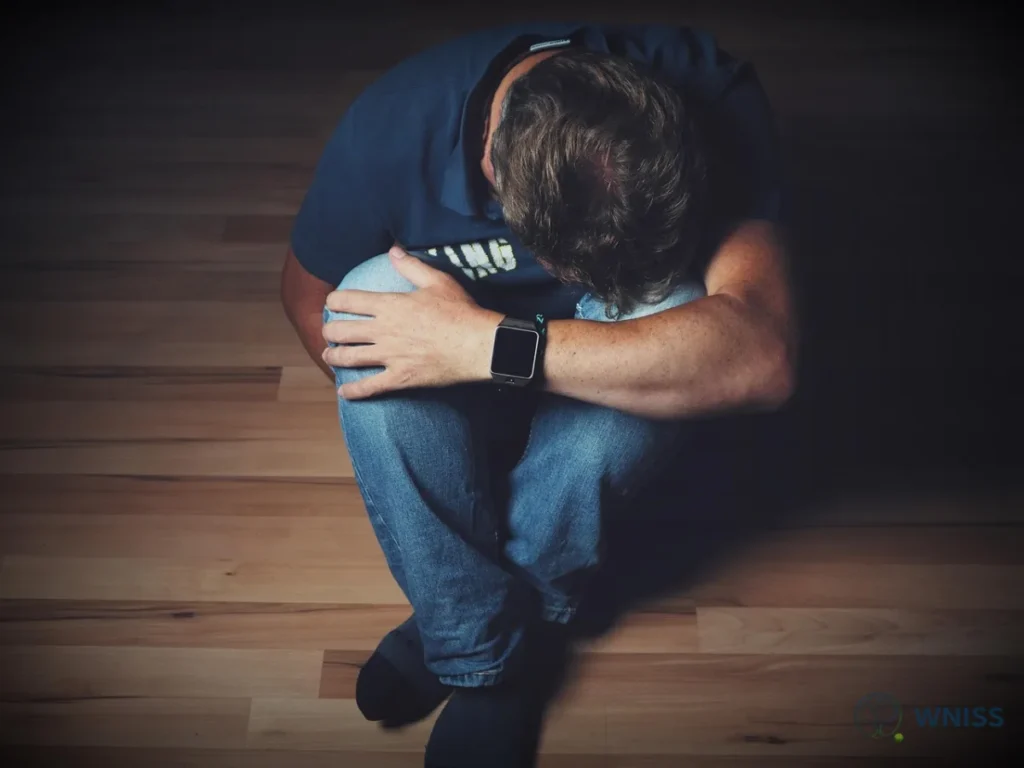
Feeling depressed can happen to anyone during difficult periods, but it does not always mean a person has clinical depression. Understanding the difference between temporary sadness and a depressive disorder helps people recognize when emotional support, lifestyle changes, or professional care may be needed.
A low mood after stress, disappointment, loss, or major life changes is a normal human experience. However, when symptoms become persistent, intense, and interfere with daily functioning, they may indicate a mental health condition requiring evaluation by a qualified healthcare professional.
Quick Answer: Feeling Depressed vs Clinical Depression
Feeling depressed usually describes a temporary emotional state linked to life events, stress, or exhaustion. Clinical depression involves ongoing symptoms that last for weeks or longer, affect daily activities, and may include changes in mood, sleep, appetite, energy, concentration, and self-worth. Professional assessment can help determine the right support.
| Aspect | Feeling Depressed | Clinical Depression |
|---|---|---|
| Duration | Often temporary | Usually lasts two weeks or more |
| Main cause | Stress, disappointment, difficult events | Combination of biological, psychological, and environmental factors |
| Daily impact | May improve with support or positive activities | Often disrupts work, relationships, and self-care |
| Mood changes | Sadness or frustration | Persistent sadness, emptiness, or loss of interest |
| Energy | May fluctuate | Frequent fatigue and reduced motivation |
| Professional help | Helpful if emotions become difficult | Often recommended for diagnosis and treatment |
What Does Feeling Depressed Mean?
Feeling depressed is a common emotional response to challenging experiences. People may feel sad, discouraged, lonely, overwhelmed, or emotionally tired after facing problems such as relationship difficulties, financial pressure, health concerns, grief, or major changes.
These feelings are usually connected to a specific situation and may gradually improve as circumstances change or as a person receives support. Temporary sadness can still feel painful, but it does not automatically indicate a mental health disorder.
Many people experience periods where they think, “I feel depressed,” especially during stressful times. Recognizing these emotions is an important first step toward understanding personal needs and seeking healthy coping strategies.
Common Signs of Temporary Low Mood
Temporary feelings of depression may include:
-
Feeling sad or disappointed
-
Reduced motivation for a short period
-
Wanting more time alone
-
Difficulty focusing during stressful moments
-
Feeling tired after emotional challenges
-
Temporary changes in sleep or appetite
These experiences often improve with healthy routines, social connection, relaxation, problem-solving, and emotional support.
What Is Clinical Depression?
Clinical depression, also known as major depressive disorder, is a recognized mental health condition that affects mood, thoughts, physical health, and behavior.
Unlike ordinary sadness, clinical depression is not simply a matter of “trying harder” or changing your attitude. It involves persistent symptoms that can influence how a person thinks, feels, and functions.
Clinical depression may develop because of several interacting factors, including brain chemistry, genetics, chronic stress, trauma, medical conditions, and environmental influences.
For more information about depression conditions and related topics, consider exploring:
Internal linking suggestion: Anchor text: “understanding different types of depression” → https://wniss.com/en-gb/category/depression/
Key Clinical Depression Symptoms
Recognizing depression symptoms can help people identify when additional support may be necessary.
Persistent Sadness or Empty Mood
A major sign of clinical depression is experiencing sadness, hopelessness, or emptiness most of the day, nearly every day. The feeling may continue even when positive events occur.
Loss of Interest and Pleasure
Many people with depression lose interest in activities they previously enjoyed. Hobbies, social activities, relationships, and personal goals may feel less meaningful.
Changes in Sleep Patterns
Depression can affect sleep in different ways. Some individuals experience insomnia, while others sleep much more than usual.
Appetite and Weight Changes
Depression may cause noticeable changes in eating habits. Some people lose their appetite, while others use food as emotional comfort.
Low Energy and Fatigue
Persistent exhaustion is a common symptom. Everyday tasks may feel overwhelming, even when they require little physical effort.
Difficulty Concentrating
Depression can affect memory, decision-making, and concentration. People may struggle with work, studying, or completing normal responsibilities.
Feelings of Worthlessness or Excessive Guilt
Clinical depression may involve harsh self-criticism, feelings of failure, or guilt that does not match reality.
Thoughts of Death or Self-Harm
Some people with severe depression experience thoughts about death or self-harm. These symptoms require immediate attention from a qualified mental health professional or emergency support service.
Major Differences Between Feeling Depressed and Clinical Depression
Duration and Consistency
One of the biggest differences is how long symptoms continue.
A person experiencing temporary sadness may have difficult days but still notice moments of enjoyment or emotional relief. Clinical depression tends to remain consistent and may continue despite positive circumstances.
Impact on Daily Life
Temporary emotional struggles may make life harder temporarily. However, people can often continue completing responsibilities.
Clinical depression can interfere with:
-
Professional performance
-
Academic responsibilities
-
Relationships
-
Personal hygiene
-
Decision-making
-
Social interaction
Emotional Control
When someone feels depressed because of a specific situation, emotions often improve as the situation changes.
With clinical depression, symptoms may feel disconnected from current circumstances and become difficult to control without appropriate support.
Causes and Risk Factors of Depression
Depression does not usually have one single cause. Instead, multiple factors may contribute.
Biological Factors
Research suggests that genetics, hormones, brain chemistry, and nervous system changes can influence depression risk.
Psychological Factors
Certain thinking patterns, low self-esteem, chronic worry, and unresolved emotional experiences may increase vulnerability.
Environmental Factors
Life circumstances can also contribute, including:
-
Major losses
-
Long-term stress
-
Social isolation
-
Difficult relationships
-
Financial challenges
-
Traumatic experiences
When Should You Seek Professional Support?
Knowing when to ask for help is an important part of mental health care.
Consider speaking with a mental health professional if:
-
Low mood lasts for several weeks
-
Symptoms interfere with everyday life
-
You lose interest in activities you normally enjoy
-
Sleep or appetite changes significantly
-
You feel unable to manage emotions alone
-
You experience thoughts of self-harm
A healthcare provider can evaluate symptoms, discuss possible causes, and recommend appropriate treatment options.
For additional resources about depression care and treatment approaches:
Internal linking suggestion: Anchor text: “depression treatment options and professional support” → https://wniss.com/en-gb/depression/
Treatment Options for Clinical Depression
Treatment depends on individual needs and symptom severity. Common approaches include:
Psychotherapy
Therapy helps people understand emotions, develop coping skills, challenge negative thought patterns, and improve emotional regulation.
Common therapies include:
-
Cognitive behavioral therapy (CBT)
-
Interpersonal therapy
-
Behavioral activation approaches
Medication
Some people benefit from antidepressant medications prescribed by qualified healthcare professionals. Medication decisions depend on symptoms, medical history, and individual response.
Lifestyle Support
Healthy habits can support emotional well-being, including:
-
Regular physical activity
-
Balanced nutrition
-
Consistent sleep routines
-
Social connection
-
Stress management techniques
How to Support Someone Who Feels Depressed
Supporting a person experiencing emotional struggles requires patience and understanding.
Helpful actions include:
-
Listening without judgment
-
Encouraging professional support when needed
-
Avoiding statements that minimize feelings
-
Offering practical assistance
-
Staying connected regularly
Small acts of kindness can make a meaningful difference for someone experiencing depression.
Frequently Asked Questions About Feeling Depressed
1. Is feeling depressed the same as having depression?
No. Feeling depressed can describe temporary sadness or emotional difficulty. Clinical depression is a diagnosed condition involving persistent symptoms that affect daily functioning.
2. How long does feeling depressed usually last?
Temporary sadness may last days or weeks depending on the situation. If symptoms continue for two weeks or longer and affect daily life, professional evaluation may be helpful.
3. Can stress cause depression?
Yes. Long-term stress can increase the risk of depression, especially when combined with other factors such as genetics, trauma, or health challenges.
4. Can depression improve without treatment?
Some mild symptoms may improve with support and lifestyle changes. However, persistent or severe depression often benefits from professional guidance.
5. When is depression considered serious?
Depression becomes especially concerning when it affects daily functioning, causes severe emotional distress, or includes thoughts of self-harm. Immediate professional support should be sought in crisis situations.
Medical Disclaimer
The information provided in this article is for educational and informational purposes only and does not replace advice from a qualified doctor or licensed healthcare provider. Do not use this information to diagnose or treat any medical condition. Always consult a healthcare professional before starting any new treatment or changing medication or health routines.
Source Reference
Source link: https://en.wikipedia.org/wiki/Depression_(mood)