خطوتك الأولى نحو راحة البال تبدأ من هنا
Understanding Feeling Sad for No Reason & Biological Risk
Quick Answer (BLUF)
Feeling sad for no reason can happen because emotions are influenced by complex interactions between brain chemistry, hormones, stress responses, genetics, sleep, and life experiences. While occasional unexplained sadness is common, persistent or intense sadness may indicate underlying biological or psychological factors that deserve professional attention.
| Topic | Key Information |
|---|---|
| Unexplained sadness | A low mood that appears without an obvious external trigger |
| Common biological factors | Neurotransmitter changes, hormones, genetics, inflammation, and sleep disruption |
| Possible conditions linked to sadness | Depression, anxiety disorders, hormonal changes, and medical issues |
| Helpful steps | Tracking symptoms, improving routines, social support, and professional evaluation |
| When to seek help | When sadness lasts weeks, affects daily life, or includes hopeless thoughts |
What Does Feeling Sad for No Reason Mean?
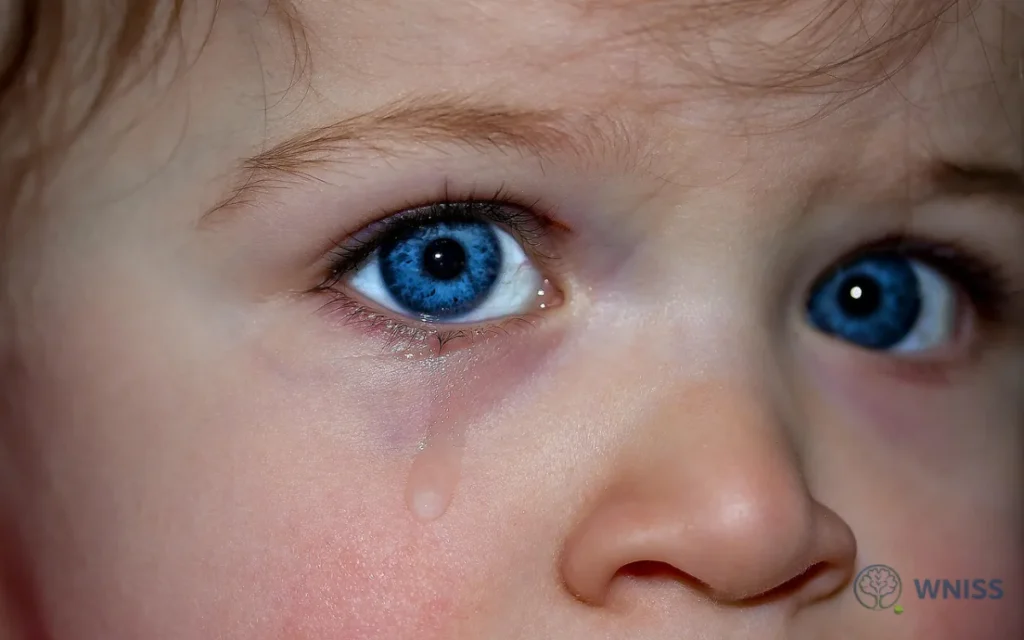
Feeling sad for no reason describes experiencing emotional heaviness, low mood, or tearfulness without identifying a clear cause. Many people experience brief periods of unexplained sadness, especially during stressful periods, hormonal changes, exhaustion, or emotional overload.
However, recurring episodes may suggest that the brain and body are responding to internal factors that are not immediately noticeable. The absence of an obvious trigger does not mean the feeling is imaginary or insignificant.
[Internal linking suggestion: Add link here using anchor text “understanding depression symptoms” → https://wniss.com/en-gb/depression/]Biological Reasons Behind Feeling Sad for No Reason
Brain Chemistry and Neurotransmitter Changes
The brain regulates emotions through a network of chemical messengers called neurotransmitters. Changes involving serotonin, dopamine, and norepinephrine may influence mood, motivation, pleasure, and emotional balance.
When these systems become disrupted, a person may experience sadness, low energy, reduced interest, or emotional sensitivity without a clear external reason.
Research in mental health suggests that mood is not controlled by a single chemical but by a complex biological system involving multiple brain pathways.
Hormonal Changes and Emotional Health
Hormones play an important role in emotional regulation. Changes in thyroid hormones, reproductive hormones, and stress hormones can affect mood stability.
Examples include:
-
Thyroid hormone imbalance
-
Premenstrual hormonal changes
-
Postpartum hormonal shifts
-
Chronic stress-related cortisol changes
These biological changes can create feelings of sadness, irritability, or emotional exhaustion.
Genetics and Family History
Genetic factors may influence how the brain responds to stress and regulates emotions. People with a family history of mood disorders may have a higher biological vulnerability to depression-related symptoms.
Genetics do not determine a person’s emotional future, but they can affect sensitivity to environmental stressors and biological changes.
The Connection Between Feeling Sad and Depression Risk
Feeling sad for no reason does not automatically mean someone has depression. Sadness is a normal human emotion, while depression is a medical condition involving persistent changes in mood, thoughts, behavior, and physical functioning.
Signs that unexplained sadness may require evaluation include:
-
Sadness lasting most days for two weeks or longer
-
Loss of interest in activities once enjoyed
-
Changes in appetite or sleep
-
Difficulty concentrating
-
Feelings of worthlessness
-
Low motivation and constant fatigue
Biological Risk Factors Associated With Persistent Sadness
Chronic Stress and the Brain’s Stress System
Long-term stress can affect the hypothalamic-pituitary-adrenal (HPA) axis, which controls the body’s response to stress.
Continuous activation of this system may contribute to:
-
Emotional exhaustion
-
Sleep problems
-
Increased anxiety
-
Reduced ability to cope with challenges
Over time, chronic stress can increase vulnerability to mood disorders.
Inflammation and Mental Health
Scientists have explored the relationship between inflammation and emotional health. Some studies suggest that increased inflammatory activity in the body may influence brain function and contribute to depressive symptoms in certain individuals.
This relationship is complex and does not mean inflammation alone causes depression. Instead, it represents one possible biological pathway involved in mood regulation.
Sleep Disruption and Mood Changes
Sleep and emotional health are closely connected. Poor sleep quality can affect brain areas responsible for emotional control and stress management.
Common sleep-related contributors include:
-
Insomnia
-
Irregular sleep schedules
-
Excessive screen use at night
-
Sleep disorders
Improving sleep habits can support healthier emotional regulation.
Psychological Factors That Can Hide Behind Unexplained Sadness
Although biological factors are important, emotional experiences are also influenced by psychological patterns.
Suppressed Emotions
Sometimes sadness appears without a clear reason because emotions have been ignored or delayed. A person may process difficult experiences later, after the immediate situation has passed.
Emotional Burnout
Constant responsibilities, pressure, or caregiving demands can gradually drain emotional resources. Burnout may appear as sadness, numbness, frustration, or loss of motivation.
Anxiety and Overthinking
Anxiety does not always appear as fear. Some people experience it as emotional heaviness, sadness, or a sense that something is wrong without knowing why.
How to Respond When Feeling Sad for No Reason
Track Patterns and Triggers
Keeping a simple mood journal can help identify hidden connections between sadness and:
-
Sleep patterns
-
Food habits
-
Stress levels
-
Social interactions
-
Physical health changes
Patterns often become clearer over time.
Support Brain Health Through Daily Habits
Healthy routines can improve emotional resilience:
-
Maintain regular sleep schedules
-
Engage in physical activity
-
Eat balanced meals
-
Spend time outdoors
-
Maintain meaningful relationships
These actions support overall mental wellness but should not replace professional care when symptoms are severe.
Talk With a Mental Health Professional
A psychologist or psychiatrist can help evaluate whether unexplained sadness relates to depression, anxiety, medical conditions, or other factors.
Professional support may include:
-
Psychological therapy
-
Lifestyle recommendations
-
Medical assessment
-
Medication when clinically appropriate
When Feeling Sad for No Reason Becomes a Warning Sign
Occasional sadness is part of normal emotional life. However, persistent unexplained sadness may require attention when it interferes with daily responsibilities or relationships.
Seek professional guidance if sadness is accompanied by:
-
Persistent hopelessness
-
Severe withdrawal from others
-
Major changes in sleep or appetite
-
Difficulty functioning at work or school
-
Thoughts of self-harm
Early support can improve outcomes and help identify the most appropriate care approach.
Frequently Asked Questions (FAQs)
1. Why do I feel sad for no reason?
Feeling sad without an obvious reason may result from biological changes, stress, hormonal shifts, sleep problems, emotional strain, or underlying mental health conditions.
2. Is feeling sad for no reason a sign of depression?
Not always. Temporary sadness is normal, but persistent sadness lasting weeks with other symptoms may indicate depression and should be evaluated.
3. Can hormones cause unexplained sadness?
Yes. Hormonal changes involving thyroid function, reproductive hormones, or stress hormones can influence mood and emotional balance.
4. Can lifestyle changes reduce unexplained sadness?
Healthy habits such as regular sleep, exercise, social connection, and stress management may support mood improvement.
5. When should I see a doctor about unexplained sadness?
Consider professional support if sadness continues for several weeks, affects daily activities, or occurs with severe emotional distress.
Medical Disclaimer
The information provided in this article is for educational and informational purposes only. It does not replace professional medical advice, diagnosis, or treatment from a qualified healthcare provider. Do not use this information to diagnose or treat any health condition. Always consult a healthcare professional before starting any new treatment or changing existing medical care.
Source Reference
Source: https://en.wikipedia.org/wiki/Depression_(mood)