
خطوتك الأولى نحو راحة البال تبدأ من هنا
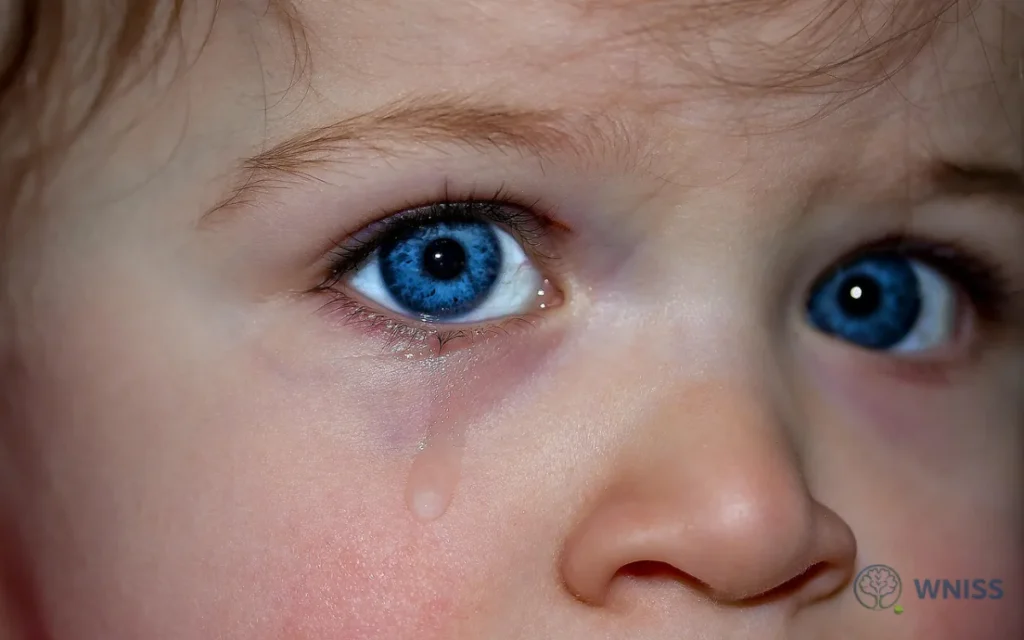
Feeling Sad vs Clinical Depression: Understanding the Key Differences
Quick Answer (BLUF)
Feeling sad is a normal emotional response to life’s challenges and usually improves with time or positive changes. Clinical depression is a medical condition that lasts for at least two weeks, affects daily functioning, and often requires professional evaluation and treatment. Knowing the difference helps people seek appropriate support sooner.
| Feature | Feeling Sad | Clinical Depression |
|---|---|---|
| Duration | Hours to several days | At least two weeks |
| Cause | Usually linked to a specific event | May have no obvious trigger |
| Daily Function | Mostly maintained | Significantly impaired |
| Mood Changes | Improves with enjoyable activities | Often persists despite positive experiences |
| Energy | Temporarily reduced | Ongoing fatigue and low energy |
| Sleep | Minor temporary changes | Major changes in sleep patterns |
| Appetite | Usually unchanged | Noticeable increase or decrease |
| Professional Care | Often not required | Frequently recommended |
Feeling sad is part of the normal human experience. Everyone experiences sadness after disappointment, loss, conflict, or stressful events. However, understanding feeling sad vs clinical depression is essential because depression is much more than a temporary emotional state.
Many people mistakenly believe depression is simply “extreme sadness.” In reality, depression affects emotions, thoughts, physical health, motivation, relationships, and everyday activities. Recognizing these differences allows individuals to seek help before symptoms become more severe.
For additional mental health resources, consider linking naturally to:
-
Internal Link Anchor: Depression Resource Center
https://wniss.com/en-gb/depression/ -
Internal Link Anchor: Depression Education Articles
https://wniss.com/en-gb/category/depression/
What Does Feeling Sad Mean?
Sadness is a healthy emotional response.
People commonly feel sad after:
-
Losing a loved one
-
Relationship problems
-
Financial stress
-
Work difficulties
-
Academic pressure
-
Personal disappointment
Sadness serves an emotional purpose. It allows people to process difficult experiences and often gradually improves with time.
Most importantly, people experiencing sadness usually continue to enjoy positive moments, laugh, socialize, and maintain their responsibilities.
What Is Clinical Depression?
Clinical depression, also called major depressive disorder (MDD), is a medical condition involving persistent low mood and loss of interest in activities once enjoyed.
Healthcare professionals diagnose depression based on specific symptoms lasting at least two weeks while causing significant impairment in work, school, relationships, or daily life.
Depression involves changes in brain chemistry, genetics, psychological factors, and environmental influences.
Key Signs That Differentiate Sadness from Depression
Duration Matters
Sadness naturally changes over time.
Clinical depression remains persistent for weeks or months without meaningful improvement.
If symptoms continue beyond two weeks, professional assessment becomes increasingly important.
Loss of Interest
One hallmark of depression is losing interest in hobbies, friends, work, or activities that previously brought happiness.
Someone who is simply sad often still enjoys favorite activities when given the opportunity.
Persistent Low Mood
Depression causes an ongoing emotional heaviness that does not easily improve.
Positive news, vacations, or social gatherings may provide little relief.
Fatigue and Low Energy
Depression frequently causes:
-
Constant exhaustion
-
Lack of motivation
-
Difficulty starting tasks
-
Physical slowing
Ordinary sadness usually does not produce such persistent fatigue.
Changes in Sleep
Clinical depression commonly includes:
-
Insomnia
-
Early morning awakening
-
Sleeping excessively
-
Poor sleep quality
Sleep changes often continue for weeks.
Appetite Changes
People with depression may notice:
-
Significant weight loss
-
Weight gain
-
Loss of appetite
-
Emotional overeating
These changes are usually more pronounced than those associated with temporary sadness.
Difficulty Concentrating
Depression often affects thinking.
Common symptoms include:
-
Forgetfulness
-
Poor concentration
-
Trouble making decisions
-
Mental “fog”
These cognitive symptoms may interfere with work or education.
Feelings of Worthlessness
Sadness usually involves disappointment.
Depression often includes:
-
Excessive guilt
-
Self-criticism
-
Feelings of failure
-
Hopelessness
These thoughts become persistent and difficult to challenge.
Physical Symptoms of Depression
Depression affects the body as well as the mind.
Common physical symptoms include:
-
Chronic fatigue
-
Headaches
-
Digestive problems
-
Muscle aches
-
Reduced movement
-
Low energy throughout the day
Many people initially seek medical care for these physical symptoms before realizing depression may be contributing.
Emotional Symptoms
Depression involves much more than sadness.
Symptoms may include:
-
Emotional numbness
-
Irritability
-
Hopelessness
-
Persistent emptiness
-
Frequent crying
-
Loss of motivation
Some individuals rarely cry and instead feel emotionally disconnected.
Risk Factors
Several factors increase the likelihood of depression.
These include:
Family History
Genetics can increase susceptibility.
Major Life Stress
Examples include:
-
Divorce
-
Job loss
-
Bereavement
-
Trauma
Chronic Medical Conditions
Long-term illnesses may increase depression risk.
Substance Use
Alcohol and recreational drugs may worsen depressive symptoms.
Previous Episodes
Individuals with prior depression have a higher risk of recurrence.
When Should You Seek Professional Help?
Consider seeking evaluation if symptoms:
-
Last more than two weeks
-
Affect work or school
-
Interfere with relationships
-
Cause severe fatigue
-
Prevent normal daily activities
-
Continue getting worse
Early treatment often improves outcomes.
Treatment Options
Depression is highly treatable.
Treatment may include:
Psychotherapy
Evidence-based therapies such as cognitive behavioral therapy (CBT) help individuals identify and change unhelpful thinking patterns.
Medication
Healthcare providers may prescribe antidepressants when appropriate.
Medication should always be taken under medical supervision.
Lifestyle Changes
Healthy habits may complement treatment:
-
Regular exercise
-
Balanced nutrition
-
Consistent sleep schedule
-
Stress management
-
Social support
Lifestyle changes alone may not be sufficient for moderate or severe depression.
Supporting Someone with Depression
Helpful approaches include:
-
Listening without judgment
-
Encouraging professional evaluation
-
Offering practical assistance
-
Staying connected
-
Avoiding minimizing statements like “just cheer up”
Supportive relationships can make a meaningful difference.
Warning Signs That Require Immediate Attention
Seek emergency assistance immediately if someone:
-
Expresses thoughts of suicide
-
Talks about wanting to die
-
Has a suicide plan
-
Gives away valued possessions
-
Says others would be better off without them
Immediate professional intervention can save lives.
Common Misconceptions
“Depression Is Just Sadness”
False.
Depression is a recognized medical condition involving emotional, cognitive, behavioral, and physical symptoms.
“Strong People Don’t Get Depression”
False.
Depression affects people of every age, background, and profession.
“You Can Simply Think Positively”
Positive thinking alone cannot cure clinical depression, although healthy coping strategies may support recovery.
Protecting Mental Well-Being
Healthy habits that may support emotional resilience include:
-
Maintaining regular physical activity
-
Building supportive relationships
-
Managing stress effectively
-
Getting adequate sleep
-
Seeking help early when symptoms appear
-
Practicing mindfulness or relaxation techniques
These strategies promote overall mental health but are not substitutes for professional treatment when depression is present.
Frequently Asked Questions
Can sadness turn into depression?
Yes. Prolonged sadness, especially when accompanied by other symptoms and impaired daily functioning, may develop into clinical depression in some individuals.
How long does normal sadness usually last?
Normal sadness often improves over several days as circumstances change or emotions naturally process, although grief after major losses can last much longer without necessarily becoming depression.
Is depression always caused by a traumatic event?
No. Depression may develop without an obvious trigger due to a combination of biological, psychological, and environmental factors.
Can depression improve without medication?
Some people with mild depression improve through psychotherapy, lifestyle changes, and social support. Others may benefit from medication, depending on symptom severity and individual circumstances.
When should I contact a healthcare professional?
If symptoms persist for more than two weeks, interfere with daily life, or include thoughts of self-harm or suicide, seek professional evaluation as soon as possible.
Source
https://en.wikipedia.org/wiki/Depression_(mood)
Medical Disclaimer
The information in this article is intended for educational and informational purposes only and should not replace advice from a qualified physician or licensed healthcare provider. Do not use this information to diagnose or treat any medical condition. Always consult a healthcare professional before starting any new treatment or making changes to your diet, medication, or healthcare plan.