خطوتك الأولى نحو راحة البال تبدأ من هنا
Quick Answer (BLUF)
Choosing the best pills for depression depends on your symptoms, medical history, age, other health conditions, potential side effects, and previous treatment response. There is no single antidepressant that works best for everyone. A healthcare professional can recommend the safest and most effective option after a complete evaluation.
| Factor | Why It Matters | Possible Medication Considerations |
|---|---|---|
| Depression severity | Determines treatment intensity | SSRIs, SNRIs, atypical antidepressants, or combination therapy |
| Anxiety symptoms | Some medications also treat anxiety | SSRIs and SNRIs are often first-line choices |
| Sleep problems | Certain antidepressants improve sleep | Sedating antidepressants may be appropriate |
| Fatigue or low energy | Some medications are more activating | Bupropion may be considered in selected patients |
| Sexual side effects | Medication tolerability varies | Some antidepressants have lower risk than others |
| Weight concerns | Different drugs affect weight differently | Individual medication profiles differ |
| Medical conditions | Safety varies by health history | Requires personalized medical assessment |
| Pregnancy or breastfeeding | Special safety considerations | Treatment must be individualized |
Understanding the Best Pills for Depression
Finding the best pills for depression is rarely about choosing the newest or strongest medication. Instead, successful treatment matches the right medication to the individual’s symptoms, lifestyle, medical history, and treatment goals.
Modern antidepressants are generally effective, but each works differently. While one person experiences significant improvement with the first prescription, another may need several adjustments before finding the ideal option.
Depression is a complex medical condition involving biological, psychological, and environmental factors. Medication often works best when combined with psychotherapy, healthy lifestyle habits, and ongoing medical follow-up.
How Antidepressants Work
Most antidepressants help regulate brain chemicals involved in mood, including:
Serotonin
Norepinephrine
Dopamine
These neurotransmitters influence mood, sleep, motivation, concentration, appetite, and emotional regulation.
Although brain chemistry is only one part of depression, restoring neurotransmitter balance can reduce symptoms and improve daily functioning.
Main Categories of Depression Pills
Selective Serotonin Reuptake Inhibitors (SSRIs)
SSRIs remain the most commonly prescribed first-line medications because they are generally well tolerated.
Examples include:
Sertraline
Escitalopram
Fluoxetine
Paroxetine
Citalopram
Benefits:
Strong evidence for effectiveness
Lower overdose risk
Helpful for depression and anxiety
Widely studied
Possible side effects include:
Nausea
Headache
Insomnia
Sexual dysfunction
Mild gastrointestinal upset
Serotonin-Norepinephrine Reuptake Inhibitors (SNRIs)
SNRIs affect both serotonin and norepinephrine.
Examples include:
Venlafaxine
Duloxetine
Desvenlafaxine
These medications may help people experiencing:
Depression with anxiety
Chronic pain
Fibromyalgia
Neuropathic pain
Atypical Antidepressants
These medications work differently from SSRIs and SNRIs.
Examples include:
Bupropion
Mirtazapine
Vortioxetine
Vilazodone
They may be selected to reduce certain side effects or target specific symptoms such as fatigue or poor sleep.
Tricyclic Antidepressants (TCAs)
Older antidepressants remain effective but are generally reserved for selected cases because of increased side effects.
Examples include:
Amitriptyline
Nortriptyline
Imipramine
Monoamine Oxidase Inhibitors (MAOIs)
These medications are used less frequently because they require dietary restrictions and careful monitoring.
They are generally reserved for treatment-resistant depression.
Choosing the Best Pills Based on Symptoms
Depression with Anxiety
Many clinicians consider SSRIs or SNRIs because they treat both conditions effectively.
Depression with Fatigue
When fatigue and low motivation dominate, medications with activating properties may be considered.
Depression with Insomnia
Individuals struggling with poor sleep may benefit from antidepressants that have calming effects.
Depression with Weight Loss
Some antidepressants increase appetite, making them useful when depression causes significant weight loss.
Depression with Sexual Side Effects Concerns
Certain antidepressants have lower rates of sexual dysfunction than others, making medication selection especially important.
How Long Antidepressants Take to Work
Many people expect immediate improvement.
However, antidepressants usually follow this timeline:
| Time | Expected Changes |
|---|---|
| Week 1–2 | Mild improvement in sleep or appetite |
| Week 2–4 | Energy gradually improves |
| Week 4–8 | Mood often begins improving |
| Week 8–12 | Full therapeutic response may occur |
Stopping medication too early may prevent the full benefit.
What If the First Medication Does Not Work?
It is common for the initial prescription not to produce complete symptom relief.
A healthcare provider may:
Increase the dosage
Switch medications
Combine antidepressants
Add psychotherapy
Evaluate for other medical conditions
Consider augmentation strategies
Treatment adjustments are a normal part of depression care.
Common Side Effects
Most side effects improve within several weeks.
Possible side effects include:
Dry mouth
Headache
Nausea
Dizziness
Sleep changes
Sexual dysfunction
Increased sweating
Weight changes
Patients should never stop medication abruptly without medical guidance.
Lifestyle Changes That Improve Results
Medication works best when supported by healthy habits.
Helpful strategies include:
Regular exercise
Consistent sleep schedule
Balanced nutrition
Stress management
Cognitive Behavioral Therapy (CBT)
Avoiding excessive alcohol
Maintaining social connections
These approaches complement medication rather than replace it.
When Medication May Not Be Enough
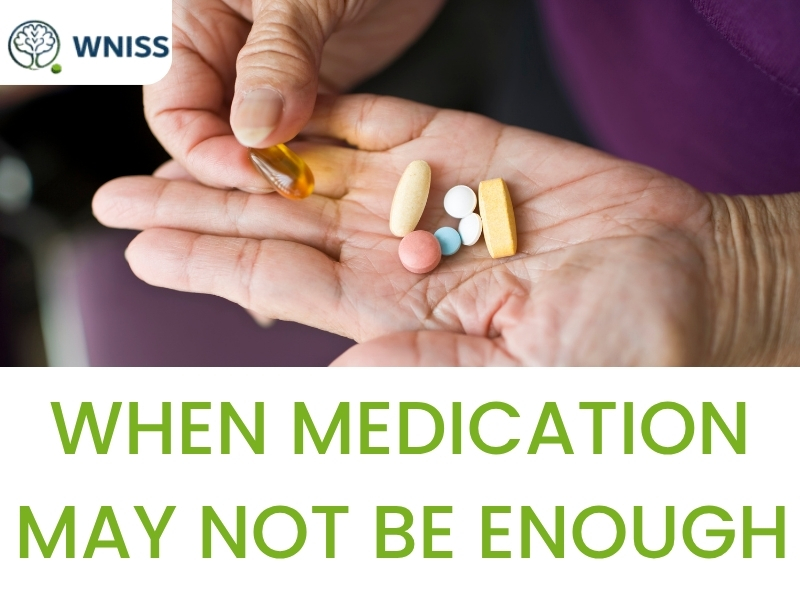
Some people experience persistent symptoms despite trying several medications.
Options may include:
Cognitive Behavioral Therapy
Interpersonal Therapy
Combination medication strategies
Esketamine treatment (for selected patients)
Electroconvulsive Therapy (ECT)
Repetitive Transcranial Magnetic Stimulation (rTMS)
Specialists determine whether these treatments are appropriate.
Important Safety Considerations
Always take antidepressants exactly as prescribed.
Seek immediate medical care if you experience:
Thoughts of self-harm
Severe allergic reactions
Mania symptoms
Confusion
High fever with muscle stiffness
Seizures
Young adults and adolescents should be monitored closely when beginning antidepressants because suicidal thoughts may temporarily increase in some individuals.
Internal Linking Opportunities
Naturally incorporate links to strengthen your site’s content structure:
Understanding depression symptoms → https://wniss.com/en-gb/depression/
Depression education and recovery resources → https://wniss.com/en-gb/category/depression/
Frequently Asked Questions
What are the best pills for depression?
There is no universally best medication. The most appropriate antidepressant depends on your symptoms, medical history, side effect preferences, and response to previous treatments.
Which antidepressants work fastest?
Most antidepressants begin producing noticeable improvement within two to six weeks, although full benefits may require eight to twelve weeks.
Can depression pills cure depression?
Antidepressants help manage symptoms but do not permanently cure depression. Many people achieve remission through a combination of medication, psychotherapy, and healthy lifestyle changes.
Do antidepressants cause addiction?
No. Antidepressants are not considered addictive, although stopping them suddenly may lead to withdrawal-like discontinuation symptoms.
Should I stop taking antidepressants once I feel better?
No. Always consult your healthcare provider before changing or stopping medication. Continuing treatment for the recommended duration helps reduce the risk of relapse.
Source
https://en.wikipedia.org/wiki/Depression_(mood)
Medical Disclaimer
The information in this article is intended for educational purposes only and should not replace professional medical advice, diagnosis, or treatment. Never use this information to diagnose or treat a medical condition on your own. Always consult a qualified physician or licensed healthcare provider before starting, stopping, or changing any medication or treatment plan.