خطوتك الأولى نحو راحة البال تبدأ من هنا
Quick Answer (BLUF)
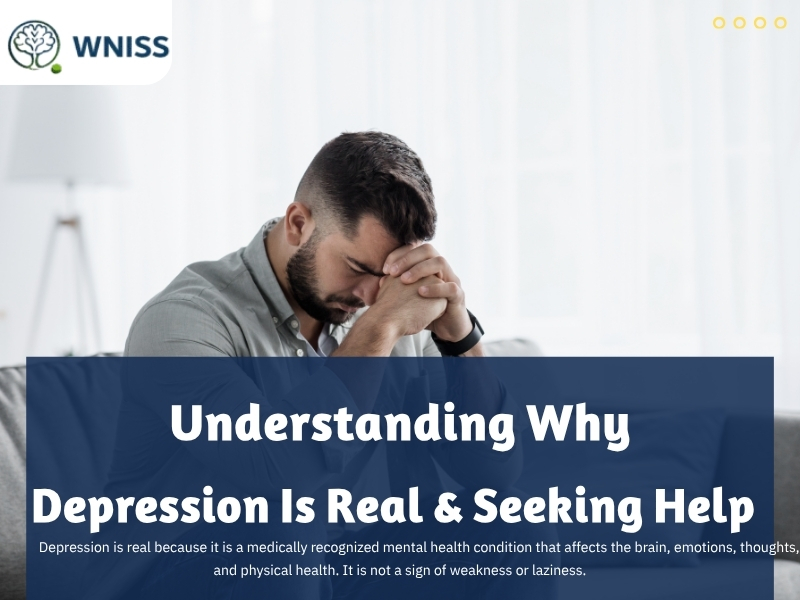
Depression is real because it is a medically recognized mental health condition that affects the brain, emotions, thoughts, and physical health. It is not a sign of weakness or laziness. Early recognition, professional treatment, healthy lifestyle habits, and support from trusted people can significantly improve recovery and quality of life.
| Topic | Key Information |
|---|---|
| What is depression? | A common mental health disorder affecting mood, thinking, and daily functioning. |
| Is it real? | Yes. It is recognized by healthcare organizations worldwide. |
| Common symptoms | Persistent sadness, loss of interest, fatigue, sleep changes, appetite changes, poor concentration, feelings of worthlessness. |
| Causes | Biological, psychological, environmental, and genetic factors often work together. |
| Treatment | Psychotherapy, medication when appropriate, lifestyle changes, and social support. |
| When to seek help | Symptoms lasting more than two weeks or interfering with daily life. |
| Emergency | Immediate professional help is needed if someone has thoughts of self-harm or suicide. |
Understanding Why Depression Is Real
Many people still ask whether depression is real or simply a temporary emotional state. Scientific evidence clearly shows that depression is a genuine medical condition affecting millions of people worldwide.
Unlike ordinary sadness, depression can persist for weeks or months. It influences emotions, memory, decision-making, physical health, relationships, and work performance.
Researchers have identified measurable biological, neurological, and psychological changes associated with depressive disorders. Brain imaging studies, genetic research, and clinical observations continue to demonstrate that depression involves complex interactions within the brain and body.
Why Some People Think Depression Isn’t Real
Several myths continue to surround depression.
Depression Doesn’t Always Look Visible
Unlike a broken bone, depression often has no obvious physical signs.
Someone may continue working, smiling, or caring for family while silently struggling every day.
This hidden nature sometimes causes others to underestimate its seriousness.
Cultural Beliefs
Some communities mistakenly believe depression results from:
Lack of willpower
Personal weakness
Poor attitude
Laziness
Lack of gratitude
Modern medicine has repeatedly shown these beliefs are inaccurate.
Symptoms Vary Between Individuals
Depression presents differently from person to person.
Some experience overwhelming sadness.
Others mainly notice:
Constant fatigue
Irritability
Physical aches
Sleep problems
Difficulty concentrating
Emotional numbness
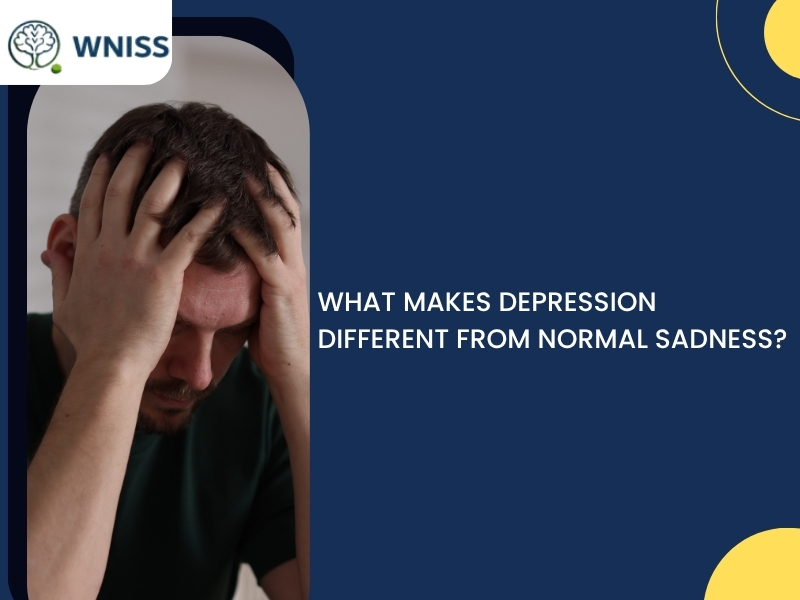
What Makes Depression Different From Normal Sadness?
Everyone experiences disappointment.
Depression goes far beyond normal emotional responses.
Normal Sadness
Normal sadness usually:
Has an identifiable cause
Improves gradually
Allows enjoyment of positive experiences
Does not severely interfere with daily life
Clinical Depression
Clinical depression often:
Lasts at least two weeks
Persists most days
Reduces enjoyment of previously loved activities
Affects work or school
Impacts relationships
Causes physical symptoms
The Science Behind Depression
Researchers now understand depression as a condition involving multiple systems rather than a single cause.
Brain Chemistry
Chemical messengers help regulate mood.
These include:
Serotonin
Dopamine
Norepinephrine
Changes in these systems may contribute to depressive symptoms, although depression is far more complex than a simple “chemical imbalance.”
Brain Structure and Function
Studies have observed differences in brain regions involved in:
Emotion regulation
Stress response
Memory
Motivation
Decision-making
These findings reinforce that depression has biological components.
Stress Hormones
Long-term stress may increase cortisol production.
Persistently elevated stress hormones can affect sleep, mood regulation, energy, and concentration.
Genetics
Family history increases risk but does not guarantee someone will develop depression.
Genes interact with life experiences rather than acting alone.
Common Symptoms of Depression
Symptoms vary widely.
They commonly include:
Emotional Symptoms
Persistent sadness
Hopelessness
Empty mood
Irritability
Loss of motivation
Cognitive Symptoms
Difficulty concentrating
Poor memory
Indecisiveness
Negative thinking
Excessive guilt
Physical Symptoms
Fatigue
Low energy
Appetite changes
Weight changes
Sleep disturbances
Unexplained aches
Behavioral Symptoms
Social withdrawal
Reduced productivity
Neglecting responsibilities
Loss of hobbies
Avoiding enjoyable activities
Risk Factors
Depression rarely develops because of one event.
Multiple factors often combine.
Biological Factors
Family history
Hormonal changes
Chronic illness
Neurological conditions
Psychological Factors
Trauma
Anxiety disorders
Low self-esteem
Chronic stress
Environmental Factors
Financial hardship
Relationship problems
Job stress
Social isolation
Major life changes
Why Seeking Help Matters
Early treatment often leads to better outcomes.
Ignoring symptoms may allow depression to worsen over time.
Seeking help is an act of strength rather than weakness.
Professional evaluation can also identify medical conditions that may mimic depression.
Who Can Help?
Several healthcare professionals may provide support.
These include:
Primary Care Physicians
They can:
Evaluate symptoms
Rule out medical causes
Begin treatment
Refer specialists
Psychologists
They provide evidence-based therapies such as Cognitive Behavioral Therapy (CBT).
Psychiatrists
Psychiatrists diagnose mental illnesses and prescribe medication when appropriate.
Licensed Therapists
Counselors and therapists help people develop coping skills and improve emotional well-being.
Treatment Options
Most people benefit from individualized treatment plans.
Psychotherapy
Talk therapy helps identify unhelpful thinking patterns and build healthier coping strategies.
Common approaches include:
Cognitive Behavioral Therapy (CBT)
Interpersonal Therapy
Behavioral Activation
Acceptance and Commitment Therapy
Medication
Antidepressants may be recommended for moderate or severe depression.
Different medications work differently, and finding the right option may take time.
Medication should always be used under medical supervision.
Lifestyle Changes
Healthy habits support recovery.
Examples include:
Regular exercise
Balanced nutrition
Consistent sleep
Stress management
Limiting alcohol
Avoiding recreational drugs
Social Support
Supportive relationships can improve resilience.
Talking openly with trusted family members or friends often reduces isolation.
How to Support Someone With Depression
Supporting someone does not require having all the answers.
Helpful actions include:
Listen without judgment.
Take their feelings seriously.
Encourage professional treatment.
Offer practical assistance.
Stay connected.
Avoid minimizing their experience.
Avoid saying:
“Just cheer up.”
“It’s all in your head.”
“Everyone gets sad.”
These statements may unintentionally increase shame.
When Depression Becomes an Emergency
Immediate professional help is necessary if someone:
Talks about suicide
Has thoughts of self-harm
Feels unable to stay safe
Shows sudden dangerous behavior
Contact local emergency services or a crisis hotline immediately if there is immediate risk.
Preventing Future Episodes
Although not every episode can be prevented, several habits may reduce risk.
These include:
Maintaining regular sleep
Staying physically active
Building supportive relationships
Managing chronic stress
Following treatment plans
Attending follow-up appointments
Living Well After Depression
Many people recover from depression and lead fulfilling lives.
Recovery may involve setbacks, but consistent treatment, healthy routines, and ongoing support greatly improve long-term outcomes.
Learning early warning signs and seeking help promptly can reduce the severity of future episodes.
Suggested Internal Link: Learn more about depression symptoms and recovery: https://wniss.com/en-gb/depression/
Suggested Internal Link: Explore additional mental health resources: https://wniss.com/en-gb/category/depression/
Frequently Asked Questions
Is depression a real medical condition?
Yes. Depression is recognized worldwide as a legitimate medical illness that affects mental, emotional, and physical health.
Can depression improve without treatment?
Some mild episodes may improve, but many people benefit from professional treatment. Early care often leads to faster and more complete recovery.
What causes depression?
Depression usually results from a combination of biological, psychological, genetic, and environmental factors rather than one single cause.
When should someone seek professional help?
Anyone experiencing symptoms lasting longer than two weeks or having difficulty functioning at work, school, or home should seek professional evaluation.
Can people fully recover from depression?
Many individuals recover completely or successfully manage their symptoms with appropriate treatment, healthy habits, and ongoing support.
Medical Disclaimer
The information provided in this article is for educational and informational purposes only and should not replace professional medical advice, diagnosis, or treatment. Never rely solely on this content to diagnose or treat any medical condition. Always consult a qualified physician or licensed healthcare provider before starting, stopping, or changing any treatment, medication, or healthcare plan.
Source
https://en.wikipedia.org/wiki/Depression_(mood)