
خطوتك الأولى نحو راحة البال تبدأ من هنا
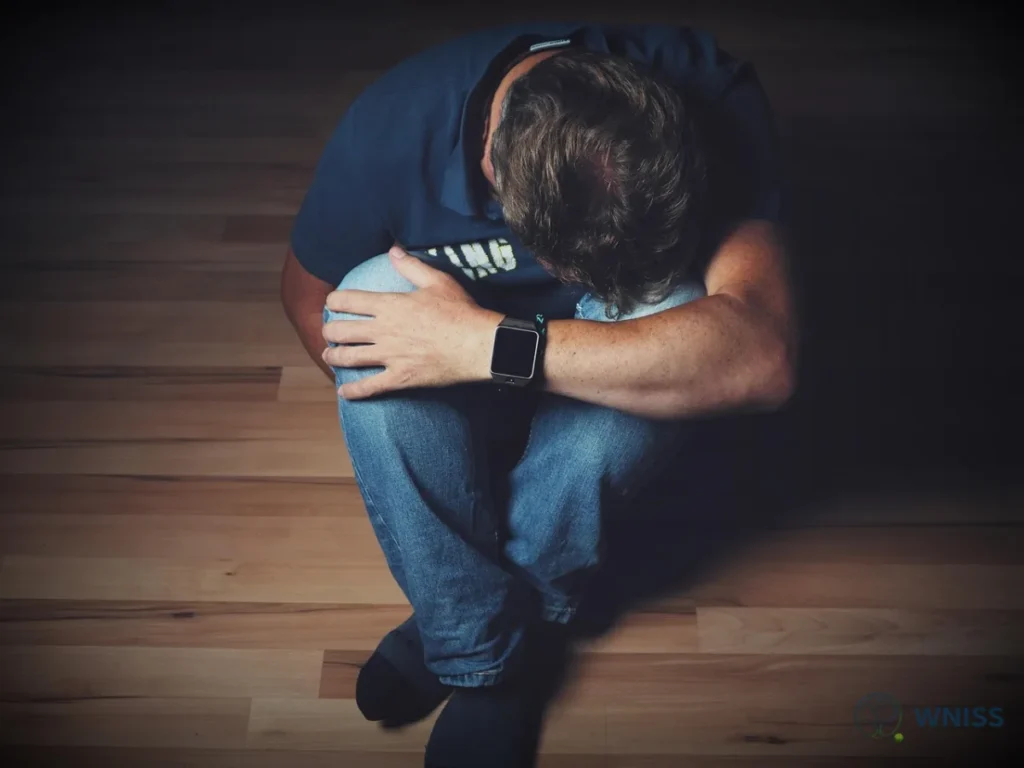
Causes Behind Feeling Depressed for No Reason Explored
BLUF: Why You May Feel Depressed for No Reason
Feeling depressed for no reason can happen when emotional, biological, psychological, or lifestyle factors affect the brain and body without an obvious trigger. Hidden stress, hormonal changes, sleep problems, unresolved emotions, and health conditions may create sadness, low motivation, or emptiness even when life appears normal.
| Factor | How It May Influence Mood | Common Signs |
|---|---|---|
| Hidden stress | Creates emotional overload over time | Irritability, exhaustion, sadness |
| Brain chemistry changes | Affects mood regulation systems | Low energy, loss of interest |
| Poor sleep | Reduces emotional resilience | Fatigue, negative thinking |
| Hormonal fluctuations | Changes emotional balance | Mood swings, sensitivity |
| Unresolved experiences | Keeps emotional pain active | Rumination, withdrawal |
| Lifestyle imbalance | Reduces physical and mental wellbeing | Low motivation, reduced focus |
Understanding Feeling Depressed for No Reason
Feeling depressed for no reason is a common experience where sadness, emptiness, or lack of interest appears without a clear event causing it. Many people assume depression must always follow a major loss or difficult situation, but emotional health is influenced by many interconnected factors.
The mind and body constantly respond to internal and external changes. Sometimes the causes are subtle and build gradually until symptoms become noticeable. Recognizing these hidden contributors can help people seek appropriate support and develop healthier coping strategies.
For more information about depression-related conditions, consider exploring related resources through internal links such as [Depression Information Guide] and [Depression Recovery Resources].
Hidden Emotional Causes Behind Feeling Depressed
Accumulated Stress Without Awareness
Long-term stress does not always feel like obvious pressure. Daily responsibilities, relationship concerns, financial worries, or workplace demands can gradually affect emotional wellbeing.
When stress continues for a long period, the nervous system may remain in a state of constant activation. Eventually, this can contribute to emotional exhaustion and feelings of sadness without a clear explanation.
Suppressed Emotions and Unprocessed Experiences
Some people experience depression-like symptoms after ignoring difficult emotions for a long time. Feelings such as anger, grief, disappointment, or fear may remain unresolved.
The brain can continue processing these experiences even when a person believes they have moved forward. This emotional burden may appear as unexplained sadness or loss of motivation.
Feeling Disconnected From Personal Goals
A lack of purpose or connection with meaningful activities can influence mood. A person may have a stable life but still experience emptiness if daily routines do not provide satisfaction.
Building activities connected to personal values, creativity, relationships, and growth can support emotional balance.
Biological Reasons for Feeling Depressed Without an Obvious Cause
Changes in Brain Chemistry
Mood depends on complex interactions between brain systems, hormones, genetics, and environmental influences. Changes in neurotransmitter activity may affect motivation, pleasure, and emotional regulation.
These biological factors can contribute to depressive symptoms even when external circumstances seem positive.
Genetic Vulnerability
Some individuals have a higher likelihood of experiencing depression because of inherited biological factors. Genetics do not guarantee depression, but they may increase sensitivity to stress and emotional challenges.
Understanding family history can help healthcare professionals evaluate possible risk factors.
Hormonal Changes
Hormonal fluctuations can influence mood significantly. Changes related to puberty, pregnancy, postpartum periods, menopause, thyroid function, or other medical conditions may contribute to unexplained depressive feelings.
A medical evaluation can help identify whether hormonal factors play a role.
Lifestyle Factors That Can Trigger Low Mood
Sleep Problems and Emotional Health
Sleep and mood are strongly connected. Poor-quality sleep can affect concentration, emotional control, and stress management.
Common sleep-related contributors include:
-
Irregular sleep schedules
-
Insufficient rest
-
Frequent nighttime waking
-
Excessive screen exposure before sleep
Improving sleep habits may support better emotional stability.
Lack of Physical Activity
Movement affects many systems involved in mood regulation. Regular physical activity can support energy levels, stress reduction, and overall psychological wellbeing.
Even moderate activities such as walking may provide emotional benefits when practiced consistently.
Nutritional Imbalances
The body requires essential nutrients to support brain function. Poor dietary patterns may contribute to fatigue, reduced concentration, and mood changes.
Balanced nutrition containing adequate proteins, vitamins, minerals, and healthy fats supports overall mental health.
Psychological Conditions Related to Unexplained Depression
Depression Disorders
Sometimes feeling depressed without a clear reason may be connected to a depressive disorder. Symptoms can include:
-
Persistent sadness
-
Loss of interest in activities
-
Changes in appetite
-
Sleep difficulties
-
Feelings of worthlessness
-
Reduced energy
Professional assessment can help determine whether symptoms meet clinical criteria.
Anxiety and Chronic Worry
Depression and anxiety often overlap. Continuous worry can drain emotional energy and eventually lead to feelings of hopelessness or exhaustion.
People may experience anxiety internally while mainly noticing depressive symptoms.
Burnout and Emotional Exhaustion
Burnout occurs when prolonged demands exceed a person’s ability to recover. Although commonly associated with work, burnout can also result from caregiving, family responsibilities, or ongoing personal pressure.
Signs may include:
-
Emotional numbness
-
Reduced motivation
-
Feeling overwhelmed
-
Difficulty enjoying normal activities
Physical Health Conditions That May Affect Mood
Certain medical conditions can influence emotional wellbeing. Examples include:
-
Thyroid disorders
-
Vitamin deficiencies
-
Chronic pain conditions
-
Sleep disorders
-
Hormonal disorders
If unexplained depression continues, discussing symptoms with a healthcare professional can help identify possible physical contributors.
Why Depression Can Appear During a Good Period of Life
Many people feel confused when sadness appears despite having supportive relationships, financial stability, or positive circumstances.
However, depression is not always a direct reflection of external situations. Mental health depends on internal biological processes, emotional experiences, coping patterns, and physical wellbeing.
A person can appreciate their life while still experiencing genuine depressive symptoms.
Ways to Understand Your Personal Triggers
Track Mood Patterns
Keeping a simple mood journal may reveal connections between emotions and daily habits.
Useful observations include:
-
Sleep quality
-
Energy levels
-
Stressful events
-
Eating patterns
-
Social activities
-
Exercise habits
Patterns often become clearer over several weeks.
Practice Emotional Awareness
Mindfulness and reflection can help identify hidden emotions. Asking questions such as:
-
What has been weighing on me recently?
-
Have my routines changed?
-
Am I avoiding difficult feelings?
-
When did these emotions begin?
can provide valuable insights.
Seek Professional Support When Needed
A mental health professional can help explore possible causes and provide evidence-based approaches such as psychotherapy, including cognitive behavioral therapy.
Professional guidance is especially important when symptoms interfere with daily functioning or continue for an extended period.
Supporting Recovery From Unexplained Depressive Feelings
Small consistent changes can support emotional recovery:
-
Maintain a regular sleep routine
-
Spend time with supportive people
-
Practice relaxation techniques
-
Set realistic daily goals
-
Engage in enjoyable activities
-
Limit excessive isolation
-
Seek professional advice when symptoms persist
Recovery often involves understanding the combination of factors affecting mood rather than searching for one single cause.
Frequently Asked Questions About Feeling Depressed for No Reason
1. Can someone feel depressed without having a reason?
Yes. Depression can develop from biological, psychological, or lifestyle factors that are not immediately noticeable. A clear external event is not always required for depressive symptoms to appear.
2. Is feeling depressed for no reason always a sign of depression?
Not necessarily. Temporary sadness can happen due to stress, exhaustion, hormonal changes, or lifestyle issues. Persistent symptoms may require professional evaluation.
3. Can lack of sleep make me feel depressed?
Yes. Poor sleep can negatively affect emotional regulation and increase vulnerability to low mood, anxiety, and negative thinking.
4. Should I see a doctor if I feel depressed without explanation?
If feelings continue, become intense, or affect daily activities, seeking professional support is recommended. A healthcare provider can help identify emotional or physical causes.
5. How can I improve unexplained feelings of sadness?
Healthy routines, social connection, physical activity, emotional reflection, and professional support when needed can help improve mood and wellbeing.
Medical Disclaimer
The information provided in this article is for educational and awareness purposes only and does not replace consultation with a qualified doctor or healthcare provider. Do not use this information to diagnose or treat any health condition. Always consult a healthcare professional before starting any new treatment or changing medication, lifestyle, or dietary practices.
Source Reference
Source link: https://en.wikipedia.org/wiki/Depression_(mood)