خطوتك الأولى نحو راحة البال تبدأ من هنا

Quick Answer (BLUF)
Hangovers and depression after drinking are closely connected because alcohol disrupts brain chemistry, sleep quality, hydration, blood sugar, and emotional regulation. While many people experience temporary sadness or anxiety after drinking, persistent or severe depressive symptoms may signal alcohol misuse, an underlying mood disorder, or both. Understanding the causes helps you reduce symptoms and know when professional care is appropriate.
| Topic | Key Takeaway |
|---|---|
| Main Cause | Alcohol temporarily alters neurotransmitters involved in mood regulation. |
| Duration | Most emotional symptoms improve within 24–72 hours after drinking stops. |
| Risk Factors | Heavy drinking, binge drinking, poor sleep, dehydration, existing depression, and anxiety. |
| Prevention | Drink moderately, stay hydrated, eat before drinking, and prioritize sleep. |
| When to Seek Help | Depression lasting beyond several days, suicidal thoughts, or repeated alcohol-related mood problems require medical evaluation. |
Understanding Hangovers and Depression After Drinking
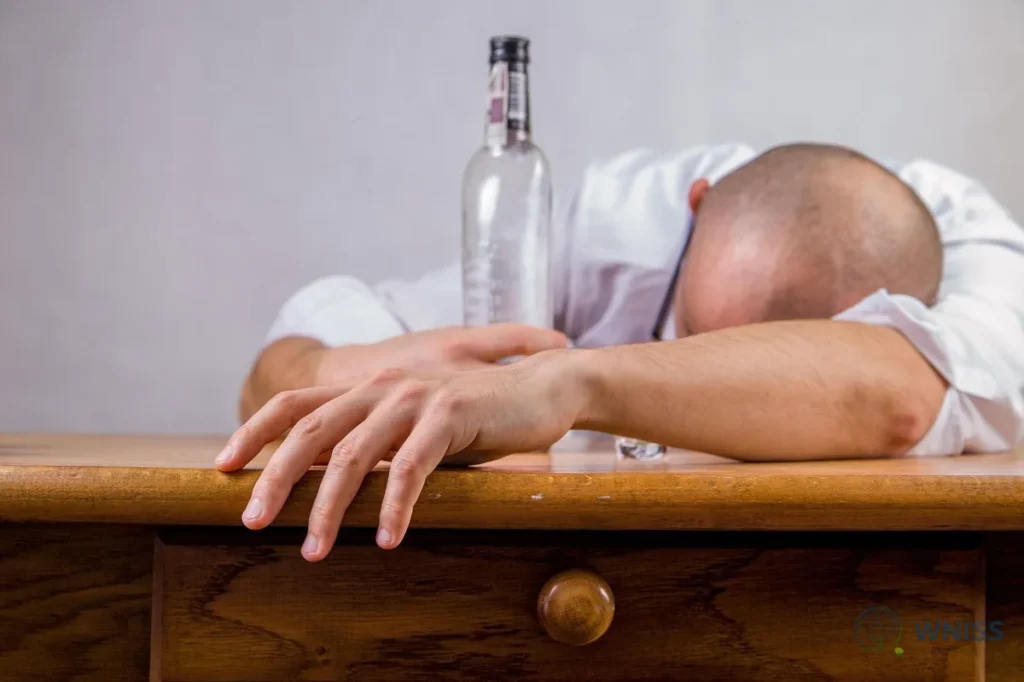
Many people notice they feel emotionally low after a night of drinking. While headaches and nausea are well-known hangover symptoms, emotional changes are equally common. Hangovers and depression after drinking often occur because alcohol affects nearly every system involved in maintaining emotional balance.
Alcohol initially creates feelings of relaxation by enhancing inhibitory brain activity. However, as blood alcohol levels fall, the brain works to restore equilibrium. This rebound effect can produce sadness, irritability, anxiety, fatigue, and difficulty concentrating.
These emotional symptoms are usually temporary. However, frequent episodes deserve attention because they may indicate unhealthy drinking habits or an underlying mental health condition.
Internal Link Suggestion: Learn more about mood disorders in the comprehensive Depression Guide: https://wniss.com/en-gb/depression/
How Alcohol Affects Brain Chemistry
Alcohol influences several neurotransmitters that regulate mood.
Dopamine Changes
Alcohol temporarily increases dopamine release, creating pleasurable feelings.
After drinking ends, dopamine activity declines, sometimes leaving individuals feeling emotionally flat or unmotivated.
Serotonin Disruption
Serotonin helps regulate:
-
Mood
-
Appetite
-
Sleep
-
Emotional stability
Alcohol temporarily alters serotonin activity before causing an imbalance during recovery.
GABA and Glutamate Imbalance
Alcohol increases GABA, producing relaxation and drowsiness.
Meanwhile, it suppresses glutamate, which normally stimulates brain activity.
When alcohol leaves the body:
-
GABA activity falls
-
Glutamate rebounds
-
The brain becomes temporarily overactive
This contributes to:
-
Anxiety
-
Restlessness
-
Poor sleep
-
Low mood
Why Hangovers Trigger Depressive Feelings
Several biological processes work together.
Sleep Disruption
Although alcohol may help someone fall asleep faster, it significantly reduces sleep quality.
Poor sleep affects:
-
Emotional regulation
-
Memory
-
Energy
-
Stress tolerance
Many people wake feeling exhausted despite spending enough hours in bed.
Dehydration
Alcohol suppresses antidiuretic hormone, increasing urine production.
Dehydration contributes to:
-
Fatigue
-
Headaches
-
Difficulty concentrating
-
Reduced mental performance
These symptoms can worsen emotional distress.
Blood Sugar Fluctuations
Alcohol may lower blood glucose, especially without adequate food intake.
Low blood sugar can cause:
-
Irritability
-
Weakness
-
Mood swings
-
Confusion
Inflammation
Research suggests alcohol temporarily increases inflammatory markers.
Growing evidence links chronic inflammation with depressive symptoms, although the exact relationship remains under investigation.
Emotional Effects Common During a Hangover
Many individuals experience temporary psychological symptoms including:
-
Sadness
-
Anxiety
-
Irritability
-
Guilt
-
Regret
-
Low motivation
-
Emotional sensitivity
-
Difficulty concentrating
-
Reduced confidence
These symptoms usually improve as the body recovers.
Why Some People Feel More Depressed Than Others
Individual differences greatly influence recovery.
Existing Depression
People living with depression often experience stronger mood declines after alcohol use.
Alcohol may temporarily numb emotional pain but usually worsens symptoms afterward.
Internal Link Suggestion: Explore additional educational resources about depression: https://wniss.com/en-gb/category/depression/
Anxiety Disorders
Individuals with anxiety commonly report severe “hangxiety”—a combination of hangover symptoms and heightened anxiety.
This may include:
-
Racing thoughts
-
Excessive worry
-
Panic sensations
-
Social embarrassment
Genetics
Genetic differences influence:
-
Alcohol metabolism
-
Neurotransmitter activity
-
Risk of alcohol dependence
-
Mood responses
Some people naturally experience stronger emotional aftereffects.
Drinking Pattern
Binge drinking causes larger chemical fluctuations than moderate drinking.
The greater the intoxication, the more significant the recovery period often becomes.
Alcohol and Depression: A Two-Way Relationship
Alcohol and depression influence one another.
Some people drink because they already feel depressed.
Others develop depressive symptoms after repeated heavy drinking.
This creates a cycle:
-
Emotional distress
-
Drinking alcohol
-
Temporary relief
-
Chemical rebound
-
Worse depression
-
Drinking again
Breaking this cycle often requires addressing both alcohol use and emotional health simultaneously.
Can One Night of Drinking Cause Depression?
For most healthy adults, one evening of drinking causes only temporary mood changes.
Symptoms generally resolve within:
-
24 hours after light drinking
-
48 hours after moderate drinking
-
Up to 72 hours after heavy drinking
Persistent depression lasting longer deserves medical evaluation.
Warning Signs That Require Professional Assessment
Temporary sadness differs from clinical depression.
Seek professional care if symptoms include:
-
Depression lasting more than two weeks
-
Loss of interest in daily activities
-
Severe hopelessness
-
Frequent alcohol misuse
-
Difficulty controlling drinking
-
Suicidal thoughts
-
Thoughts of self-harm
Emergency services should be contacted immediately if someone is at immediate risk of harming themselves.
How to Recover From Hangovers and Depression After Drinking
Recovery focuses on supporting both body and brain.
Rehydrate
Drink plenty of:
-
Water
-
Oral rehydration solutions
-
Electrolyte-containing beverages
Eat Nutritious Meals
Choose balanced foods containing:
-
Protein
-
Complex carbohydrates
-
Fruits
-
Vegetables
These help stabilize blood sugar.
Sleep
Allow the body time to recover.
Even a short afternoon nap may improve cognitive function.
Light Exercise
Once physically recovered, gentle movement can improve:
-
Circulation
-
Mood
-
Energy
-
Stress regulation
Walking is often sufficient.
Avoid More Alcohol
Drinking again may temporarily reduce symptoms but usually prolongs recovery.
Limit Caffeine
Small amounts may improve alertness, but excessive caffeine can worsen anxiety during a hangover.
Long-Term Prevention Strategies
Reducing alcohol-related depression begins before drinking.
Helpful strategies include:
-
Eat before drinking.
-
Alternate alcoholic drinks with water.
-
Limit total alcohol intake.
-
Avoid binge drinking.
-
Prioritize quality sleep.
-
Exercise regularly.
-
Manage stress through healthy coping strategies.
-
Seek treatment for depression or anxiety when needed.
Common Myths
Myth: Hair of the Dog Cures a Hangover
Drinking more alcohol delays withdrawal symptoms but does not accelerate recovery.
Myth: Coffee Eliminates Hangover Depression
Coffee may reduce sleepiness but cannot reverse alcohol’s effects on brain chemistry.
Myth: Only Heavy Drinkers Experience Emotional Hangovers
Even moderate drinking can temporarily affect mood, particularly in sensitive individuals.
When Alcohol May Be Making Depression Worse
Repeated emotional crashes after drinking may indicate alcohol is contributing to depression.
Signs include:
-
Feeling depressed after nearly every drinking episode
-
Increasing alcohol intake over time
-
Drinking to cope with emotions
-
Losing interest in hobbies
-
Relationship problems caused by drinking
-
Missing work or school because of alcohol
Professional treatment can address both alcohol use and depression together.
Healthy Alternatives for Stress Relief
Instead of relying on alcohol, consider:
-
Walking outdoors
-
Regular exercise
-
Mindfulness meditation
-
Deep breathing exercises
-
Talking with trusted friends
-
Counseling
-
Creative hobbies
-
Reading
-
Listening to music
-
Maintaining consistent sleep habits
Developing healthier coping skills reduces reliance on alcohol and supports long-term emotional wellness.
Frequently Asked Questions
Can alcohol cause depression the next day?
Yes. Alcohol temporarily disrupts neurotransmitters, sleep, hydration, and blood sugar, which can contribute to low mood, anxiety, and fatigue during a hangover.
How long does depression after drinking last?
For most people, emotional symptoms improve within 24 to 72 hours. Persistent symptoms lasting longer should be evaluated by a healthcare professional.
Why do I feel anxious after drinking alcohol?
As alcohol leaves the body, brain chemicals rebound, increasing nervous system activity. This can produce anxiety, restlessness, and emotional sensitivity.
Does drinking worsen existing depression?
Yes. Although alcohol may provide temporary relief, regular drinking often worsens depressive symptoms over time and can interfere with effective treatment.
Should I stop drinking if alcohol affects my mood?
If you consistently experience depression after drinking, reducing or avoiding alcohol is often beneficial. A healthcare professional can provide individualized guidance, especially if stopping alcohol is difficult.
Medical Disclaimer
The information presented in this article is intended for educational purposes only and should not replace professional medical advice, diagnosis, or treatment. Never rely on this information to diagnose or manage a health condition independently. Always consult a qualified physician or licensed healthcare provider before making changes to your treatment plan, medications, diet, or lifestyle.
Source
https://en.wikipedia.org/wiki/Depression_(mood)