
خطوتك الأولى نحو راحة البال تبدأ من هنا
Seasonal Affective Disorder Self Care Habits & Light Box: Practical Ways to Feel Better During Darker Months
Quick Answer (BLUF)
Seasonal Affective Disorder (SAD) often improves with a combination of consistent self-care habits and properly used light therapy. Daily exposure to a clinically recommended light box, regular exercise, healthy sleep routines, outdoor daylight, and professional support when needed can significantly reduce symptoms and improve overall well-being.
| Topic | Key Information |
|---|---|
| Condition | Seasonal Affective Disorder (SAD) |
| Primary Self-Care | Light therapy, exercise, sleep routine, healthy diet |
| Light Box Intensity | Typically 10,000 lux |
| Recommended Timing | Morning, shortly after waking |
| Session Length | Usually 20–30 minutes (follow healthcare advice and device instructions) |
| Additional Support | CBT, medication when appropriate, stress management |
| Emergency Warning | Seek immediate help for suicidal thoughts or severe depression |
What Is Seasonal Affective Disorder?
Seasonal Affective Disorder (SAD) is a type of depression that follows a seasonal pattern. Most people experience symptoms during autumn and winter when daylight hours become shorter. Symptoms often improve naturally during spring and summer.
Unlike occasional winter blues, SAD is a recognized depressive disorder that can interfere with work, relationships, motivation, and daily functioning.
Many people benefit from combining Seasonal Affective Disorder self care habits & light box therapy rather than relying on one solution alone.
Internal Linking Suggestion: Learn more about depression symptoms: https://wniss.com/en-gb/depression/
Common Symptoms of Seasonal Affective Disorder
Symptoms vary from person to person but commonly include:
-
Persistent sadness
-
Low energy
-
Fatigue despite sleeping more
-
Difficulty concentrating
-
Increased appetite
-
Carbohydrate cravings
-
Weight gain
-
Loss of interest in enjoyable activities
-
Social withdrawal
-
Reduced motivation
Symptoms usually appear around the same time each year.
Why Does SAD Develop?
Researchers believe several biological factors contribute.
Reduced Sunlight
Less daylight may disrupt the body’s internal clock, affecting mood regulation.
Melatonin Changes
Darkness increases melatonin production, which may contribute to sleepiness and fatigue.
Serotonin Changes
Lower sunlight exposure may reduce serotonin activity, influencing mood, appetite, and sleep.
Circadian Rhythm Disruption
The body’s natural sleep-wake cycle may become misaligned during shorter winter days.
Seasonal Affective Disorder Self Care Habits That Actually Help
Healthy daily routines provide an important foundation for managing symptoms.
Maintain a Consistent Sleep Schedule
Go to bed and wake up at nearly the same time every day.
Regular sleep helps stabilize circadian rhythms and supports emotional health.
Tips include:
-
Limit weekend schedule changes
-
Reduce evening screen exposure
-
Keep the bedroom cool and dark
-
Avoid caffeine late in the day
Spend Time Outside Every Day
Even cloudy daylight is brighter than typical indoor lighting.
Aim for:
-
Morning walks
-
Lunch breaks outdoors
-
Outdoor exercise
-
Sitting near sunny windows
Natural light complements light box therapy.
Exercise Regularly
Physical activity supports mental health by increasing endorphins and improving sleep quality.
Effective options include:
-
Walking
-
Cycling
-
Swimming
-
Yoga
-
Strength training
Aim for at least 150 minutes of moderate exercise weekly whenever possible.
Eat Balanced Meals
Nutrition alone cannot cure SAD, but healthy eating supports overall mental health.
Focus on:
-
Fruits
-
Vegetables
-
Whole grains
-
Lean protein
-
Healthy fats
-
Omega-3-rich fish
Limit:
-
Highly processed foods
-
Excess sugar
-
Heavy alcohol consumption
Stay Socially Connected
Isolation often worsens depressive symptoms.
Try to:
-
Meet friends regularly
-
Join community activities
-
Attend support groups
-
Schedule family time
-
Call loved ones
Small, consistent social interactions matter.
Practice Stress Management
Stress may worsen depression symptoms.
Helpful techniques include:
-
Mindfulness meditation
-
Deep breathing
-
Journaling
-
Progressive muscle relaxation
-
Gentle stretching
Keep a Daily Routine
Predictable routines reduce decision fatigue and improve motivation.
Include:
-
Regular meals
-
Exercise
-
Outdoor time
-
Work periods
-
Relaxation
-
Bedtime rituals
Consistency is often more important than perfection.
Understanding Light Box Therapy
One of the most effective non-drug treatments for Seasonal Affective Disorder is bright light therapy.
A light box produces bright artificial light designed to mimic outdoor daylight.
Most clinical recommendations involve a 10,000-lux light box used during morning hours.
How Does a Light Box Work?
Bright light reaches the eyes and influences brain pathways involved in:
-
Circadian rhythm regulation
-
Serotonin activity
-
Melatonin production
-
Alertness
-
Mood
Unlike tanning beds, light therapy boxes do not expose users to harmful ultraviolet (UV) rays when designed for therapeutic use.
How to Use a Light Box Safely
General recommendations include:
-
Use the light shortly after waking.
-
Place it about the recommended distance away according to manufacturer instructions.
-
Keep your eyes open without staring directly into the light.
-
Continue normal activities such as reading or eating breakfast.
-
Use consistently every morning.
Always follow the instructions provided with your specific device and consult a healthcare professional if you have eye conditions, bipolar disorder, or concerns about side effects.
Choosing the Right Light Box
Look for features such as:
-
10,000 lux brightness
-
UV filtering
-
Clinical testing
-
Adjustable stand
-
Comfortable size
-
Safety certification
Avoid purchasing devices that do not clearly specify therapeutic light intensity.
Possible Side Effects of Light Therapy
Most people tolerate treatment well.
Possible temporary side effects include:
-
Mild headache
-
Eye strain
-
Nausea
-
Irritability
-
Difficulty sleeping if used too late in the day
Adjusting session timing or duration often helps.
Persistent symptoms should be discussed with a healthcare provider.
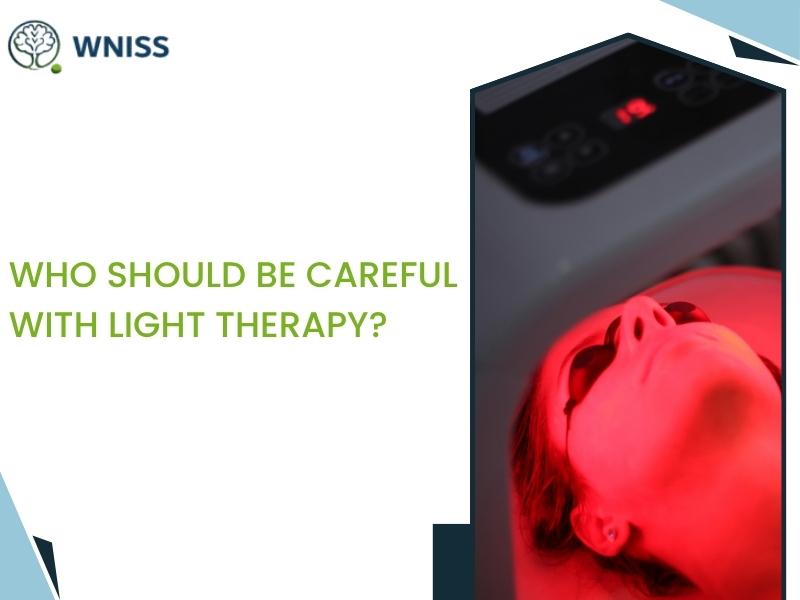
Who Should Be Careful with Light Therapy?
Medical supervision is especially important for people with:
-
Bipolar disorder
-
Serious eye disease
-
Retinal disorders
-
Photosensitive conditions
-
Certain medications that increase light sensitivity
Professional guidance helps ensure safe treatment.
Combining Self-Care with Professional Treatment
Many people require more than lifestyle changes.
Treatment may include:
Cognitive Behavioral Therapy (CBT)
CBT specifically adapted for SAD can help identify negative thought patterns and build healthier coping skills.
Medication
Some individuals benefit from antidepressant medication, especially when symptoms are moderate to severe or recur annually.
Medication decisions should always be made with a qualified healthcare professional.
Ongoing Follow-Up
Regular appointments allow treatment adjustments based on symptom changes throughout the seasons.
Creating Your Daily Winter Wellness Plan
A simple routine might include:
| Time | Habit |
|---|---|
| Morning | Wake up at a consistent time |
| Morning | 20–30 minutes of light box therapy (if recommended) |
| Morning | Healthy breakfast |
| Midday | Outdoor walk |
| Afternoon | Balanced lunch and hydration |
| Evening | Exercise or gentle stretching |
| Night | Screen-free wind-down routine |
| Bedtime | Consistent sleep schedule |
When Should You See a Doctor?
Seek professional evaluation if symptoms:
-
Last more than two weeks
-
Affect work or school
-
Damage relationships
-
Cause severe fatigue
-
Prevent daily functioning
-
Include hopelessness
-
Include thoughts of self-harm
Early treatment often leads to better outcomes.
Can Seasonal Affective Disorder Be Prevented?
People with recurring SAD may reduce symptom severity by:
-
Beginning light therapy before symptoms usually appear
-
Maintaining regular exercise year-round
-
Spending more time outdoors
-
Following healthy sleep habits
-
Managing stress consistently
-
Scheduling early mental health checkups before winter
Although prevention is not always possible, proactive care often improves outcomes.
Internal Linking Suggestion: Explore additional educational resources about depression: https://wniss.com/en-gb/category/depression/
Frequently Asked Questions
Does everyone with winter blues have Seasonal Affective Disorder?
No. Many people experience mild mood changes during winter. SAD is a clinical form of depression that significantly affects daily functioning and typically follows a predictable seasonal pattern.
How long does it take for a light box to work?
Some people notice improvement within one to two weeks, while others may require several weeks of consistent daily use. Individual responses vary.
Can I use any bright lamp instead of a light therapy box?
No. Ordinary household lamps usually do not provide the appropriate light intensity or therapeutic design needed for treating SAD.
Is light therapy safe every day?
For most adults, appropriately designed light boxes are well tolerated when used according to instructions. Certain medical conditions require medical supervision.
Can self-care replace professional treatment?
Not always. Self-care habits are valuable, but moderate or severe depression often requires evaluation and treatment from a qualified healthcare professional.
Medical Disclaimer
The materials and information provided in this article are for educational and informational purposes only and are not a substitute for consultation with a qualified physician or licensed healthcare provider. Do not rely on this information to diagnose or treat any medical condition. Always consult your healthcare provider before starting any new treatment or making changes to your diet or medications.
Source
https://en.wikipedia.org/wiki/Depression_(mood)