
خطوتك الأولى نحو راحة البال تبدأ من هنا
Selecting Good Medicine for Anxiety and Depression Care
Choosing a good medicine for anxiety and depression care requires understanding the differences between symptoms, diagnoses, medication classes, and individual health needs. The most suitable treatment depends on factors such as the type of anxiety or depression, symptom severity, medical history, other medications, and response to previous treatments. A healthcare professional can help determine the safest and most effective option.
Common Medicines Used for Anxiety and Depression
| Medication Class | Common Examples | Main Uses | Important Considerations |
|---|---|---|---|
| SSRIs (Selective Serotonin Reuptake Inhibitors) | Sertraline, Escitalopram, Fluoxetine, Paroxetine | Depression, generalized anxiety, panic disorder, OCD | Often first-line options; benefits may take several weeks |
| SNRIs (Serotonin-Norepinephrine Reuptake Inhibitors) | Venlafaxine, Duloxetine | Depression, anxiety disorders, some pain conditions | May affect blood pressure in some people |
| Atypical Antidepressants | Bupropion, Mirtazapine | Depression with specific symptoms | Choice depends on sleep, appetite, and energy changes |
| Buspirone | Buspirone | Generalized anxiety disorder | Usually targets anxiety rather than depression |
| Benzodiazepines | Alprazolam, Lorazepam, Clonazepam | Short-term severe anxiety or panic symptoms | Risk of dependence; usually monitored carefully |
Understanding the Best Medication Choice
There is no single “best” medicine for everyone. A medication that works well for one person may not provide the same results for another. Doctors usually consider:
-
Whether anxiety, depression, or both conditions are present
-
Sleep problems and energy levels
-
Appetite or weight changes
-
Previous medication experiences
-
Possible side effects
-
Other health conditions
For example, someone with depression and significant fatigue may require a different approach than someone experiencing anxiety with insomnia.
SSRIs: Frequently Used First Options
SSRIs are among the most commonly prescribed medicines for anxiety and depression. They work by increasing serotonin activity in the brain, which may help regulate mood, emotional responses, and anxiety symptoms.
Common SSRIs include:
-
Escitalopram
-
Sertraline
-
Fluoxetine
-
Paroxetine
These medicines often require consistent daily use and may take several weeks before noticeable improvement occurs. Early side effects can include nausea, headache, sleep changes, or temporary increases in anxiety.
SNRIs for Anxiety and Depression Symptoms
SNRIs affect both serotonin and norepinephrine pathways. They may be helpful when depression occurs alongside anxiety, low motivation, or certain chronic pain conditions.
Examples include:
-
Venlafaxine
-
Duloxetine
Some people experience improved energy and mood, while others may experience side effects such as sweating, nausea, or changes in blood pressure.
When Anxiety and Depression Occur Together
Many people experience combined anxiety and depression symptoms. Treatment may involve:
-
Antidepressant medication
-
Cognitive behavioral therapy (CBT)
-
Stress management techniques
-
Regular physical activity
-
Sleep improvement strategies
Medication often works best when combined with psychological and lifestyle approaches.
Factors That Influence Medication Selection
Severity of Symptoms
Mild symptoms may sometimes improve with therapy and lifestyle changes alone. Moderate to severe symptoms may require medication alongside professional support.
Side Effect Preferences
Different medicines have different profiles. Some may influence:
-
Sleep patterns
-
Appetite
-
Sexual function
-
Weight
-
Energy levels
Discussing personal priorities with a healthcare provider helps guide selection.
Medical History
A doctor may review:
-
Previous mental health treatments
-
Family history of medication response
-
Heart conditions
-
Other medications
-
Substance use history
Questions to Ask Before Starting Medication
Before beginning treatment, consider asking:
-
What condition is this medication intended to treat?
-
How long does it usually take to work?
-
What side effects should I watch for?
-
How long should treatment continue?
-
What happens if the medication does not help?
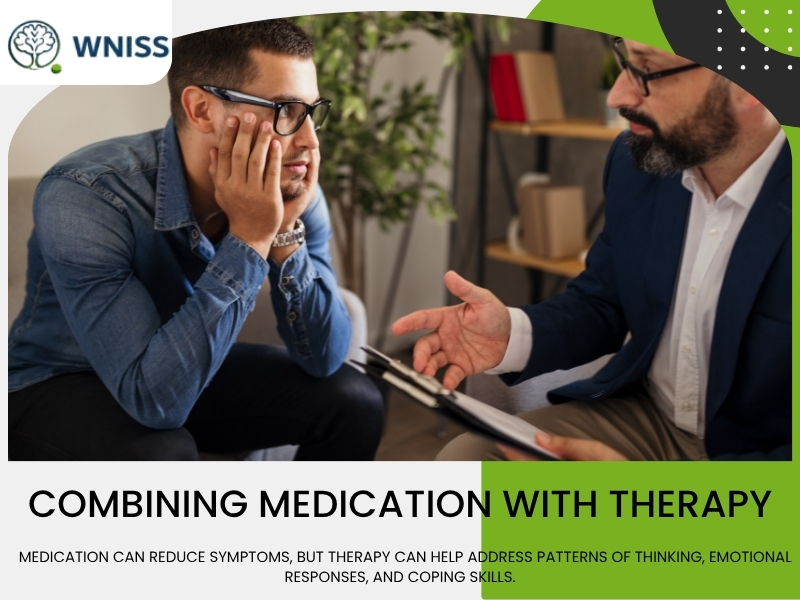
Combining Medication With Therapy
Medication can reduce symptoms, but therapy can help address patterns of thinking, emotional responses, and coping skills.
Cognitive behavioral therapy (CBT) is one of the most researched approaches for anxiety and depression. It helps people identify unhelpful thoughts and develop healthier behavioral strategies.
Safety Considerations
Never start, stop, or change psychiatric medication doses without medical guidance. Some antidepressants require gradual adjustment to reduce withdrawal symptoms or symptom return.
Seek urgent medical help if experiencing:
-
Thoughts of self-harm
-
Severe mood changes
-
Extreme agitation
-
New or worsening symptoms after starting medication
Frequently Asked Questions
What is the best medicine for anxiety and depression?
The best medicine depends on individual symptoms, health history, and treatment response. SSRIs and SNRIs are commonly used first because they have strong evidence for many anxiety and depression conditions.
How long do anxiety and depression medicines take to work?
Many antidepressants require several weeks of regular use before significant improvement appears. Some symptoms may improve earlier than others.
Can anxiety and depression be treated without medication?
Yes. Therapy, lifestyle changes, exercise, sleep improvement, and stress management can be effective, especially for some people with mild or moderate symptoms.
Are antidepressants addictive?
Most antidepressants are not considered addictive. However, some medications can cause withdrawal-like symptoms if stopped suddenly, so medical supervision is recommended.
Can one medicine treat both anxiety and depression?
Yes. Several antidepressants are approved or commonly used for both anxiety and depression, particularly SSRIs and SNRIs.
Medical Disclaimer:
The information in this article is for educational and informational purposes only and does not replace advice from a qualified doctor or healthcare provider. Do not use this information to diagnose, treat, or change any medication without professional medical guidance. Always consult a healthcare professional before starting a new treatment or changing your current medication plan.