
خطوتك الأولى نحو راحة البال تبدأ من هنا
Quick Answer (BLUF)
Selecting safe anti depression meds for teens requires an individualized medical assessment rather than choosing a medication based on symptoms alone. Treatment typically combines psychotherapy with medication when appropriate. Close monitoring, regular follow-up, family involvement, and adherence to clinical guidelines help maximize benefits while minimizing risks.
| Topic | Summary |
|---|---|
| Primary Goal | Reduce depressive symptoms while improving daily functioning and safety |
| First-Line Treatment | Evidence-based psychotherapy, with medication when clinically indicated |
| Common Medication Class | Selective serotonin reuptake inhibitors (SSRIs) are generally considered first-line when medication is needed |
| Monitoring | Frequent follow-up during the first weeks of treatment |
| Family Role | Essential for monitoring mood, behavior, and medication adherence |
| Emergency Signs | Suicidal thoughts, self-harm, severe agitation, or sudden behavioral changes require immediate medical attention |
| Lifestyle Support | Sleep, nutrition, exercise, school support, and stress management improve recovery |
Understanding Safe Anti Depression Meds for Teens
Choosing safe anti depression meds for teens is one of the most important decisions in adolescent mental health care. Depression affects emotional well-being, school performance, relationships, and physical health. Fortunately, effective treatments are available when guided by qualified healthcare professionals.
Medication should never be selected solely because it worked for another person. Every teenager has unique symptoms, medical history, family history, and treatment goals.
Many adolescents improve with psychotherapy alone. Others benefit from combining therapy with carefully monitored medication.
Internal Link Suggestion: Learn more about depression symptoms and treatment fundamentals: https://wniss.com/en-gb/depression/
Why Teen Depression Requires Specialized Care
Teenagers are not simply younger adults. Their brains continue developing throughout adolescence, affecting emotional regulation, decision-making, and medication response.
Healthcare providers evaluate numerous factors before prescribing medication, including:
-
Depression severity
-
Duration of symptoms
-
Previous treatments
-
Family psychiatric history
-
Other medical conditions
-
Anxiety or other coexisting disorders
-
Suicide risk
-
Current medications
This comprehensive assessment helps determine the safest treatment plan.
When Medication May Be Recommended
Medication is generally considered when depression significantly interferes with daily life or when other treatments alone are insufficient.
Situations may include:
-
Moderate depression
-
Severe depression
-
Persistent depressive symptoms
-
Recurrent depressive episodes
-
Significant functional impairment
-
Depression accompanied by anxiety disorders
-
Poor response to psychotherapy alone
Treatment decisions are always individualized.
First-Line Medication Options
Clinical guidelines commonly recommend SSRIs as first-line antidepressants for adolescents because they have the strongest evidence supporting their safety and effectiveness when properly monitored.
Examples include:
Fluoxetine
Fluoxetine has the longest history of research in adolescents and is approved in many countries for pediatric depression.
Potential advantages include:
-
Extensive clinical evidence
-
Once-daily dosing
-
Long half-life
-
Well-established safety profile when supervised
Escitalopram
Escitalopram is another commonly prescribed option for older adolescents in several healthcare systems.
Possible benefits include:
-
Good tolerability
-
Effective symptom improvement
-
Simple dosing schedule
Other antidepressants may be appropriate in selected cases depending on individual medical needs.
How Doctors Select the Right Medication
Selecting safe anti depression meds for teens involves balancing potential benefits against possible risks.
Physicians consider:
Symptom Pattern
Different depressive presentations may influence treatment selection.
Examples include:
-
Anxiety symptoms
-
Sleep problems
-
Appetite changes
-
Fatigue
-
Concentration difficulties
Medical History
Doctors review:
-
Heart conditions
-
Liver disease
-
Kidney disease
-
Neurological disorders
-
Previous medication reactions
Family History
If a close family member responded well—or poorly—to a specific antidepressant, this information may guide treatment.
Drug Interactions
Prescription medications, supplements, and herbal products must all be reviewed.
Starting Treatment Safely
Medication usually begins at a low dose.
Gradual dose adjustments help reduce side effects while allowing clinicians to monitor progress carefully.
Early follow-up appointments are especially important.
Typical monitoring includes:
-
Mood
-
Energy
-
Sleep
-
Appetite
-
School attendance
-
Social functioning
-
Side effects
-
Safety concerns
The FDA Boxed Warning
Families should understand that antidepressants carry an FDA boxed warning regarding an increased risk of suicidal thoughts and behaviors in some children, adolescents, and young adults during the early stages of treatment.
Importantly:
-
Most teens do not experience these effects.
-
Untreated depression itself also carries a significant suicide risk.
-
Careful monitoring helps identify concerning changes early.
Parents and caregivers should promptly report:
-
New suicidal thoughts
-
Extreme irritability
-
Aggressive behavior
-
Severe restlessness
-
Sudden mood changes
-
Impulsive actions
Common Side Effects
Many side effects improve during the first few weeks.
Possible temporary effects include:
-
Nausea
-
Headache
-
Sleep changes
-
Fatigue
-
Increased sweating
-
Mild stomach upset
-
Dry mouth
Healthcare providers evaluate whether symptoms improve, remain stable, or require medication adjustment.
Serious Symptoms That Need Immediate Medical Attention
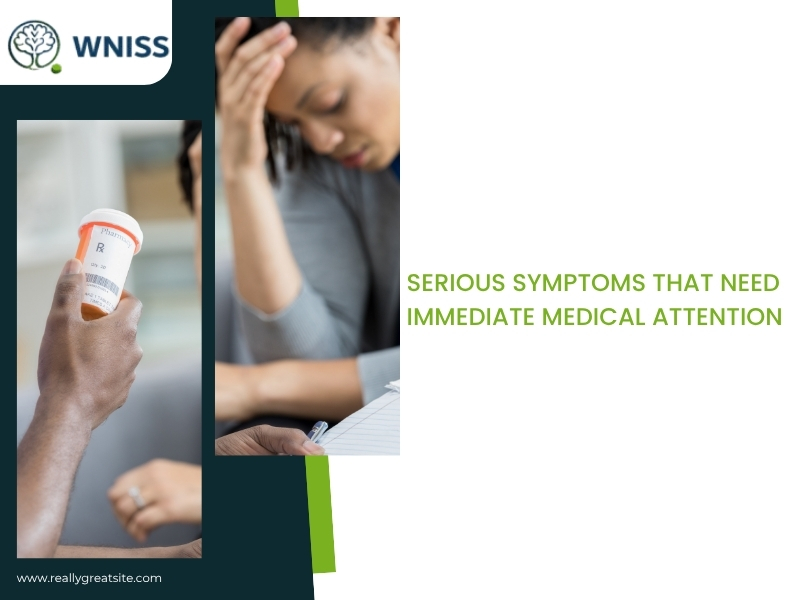
Seek emergency medical care if a teenager develops:
-
Suicidal thoughts
-
Suicide attempts
-
Self-harm
-
Hallucinations
-
Severe agitation
-
Confusion
-
High fever with muscle stiffness
-
Seizures
-
Allergic reactions
Rapid medical assessment is essential.
Why Therapy Remains Essential
Medication works best when combined with psychotherapy for many adolescents.
Evidence-based approaches include:
Cognitive Behavioral Therapy (CBT)
CBT helps teens:
-
Identify negative thoughts
-
Build coping skills
-
Improve emotional regulation
-
Solve everyday problems
Interpersonal Therapy
This therapy focuses on:
-
Relationships
-
Communication
-
Social functioning
-
Emotional support
Family therapy may also be recommended.
Lifestyle Habits That Support Recovery
Medication alone is rarely sufficient.
Healthy habits improve overall outcomes.
Important lifestyle strategies include:
Regular Sleep
Consistent sleep schedules support emotional regulation and recovery.
Physical Activity
Exercise may improve mood, reduce anxiety, and increase energy.
Balanced Nutrition
Nutritious meals support brain health and overall well-being.
Limiting Substance Use
Alcohol, nicotine, cannabis, and recreational drugs may worsen depression and interfere with treatment.
Social Connection
Healthy friendships and family support promote resilience.
How Long Treatment Usually Lasts
Many adolescents continue medication for several months after symptoms improve to reduce relapse risk.
Treatment duration varies according to:
-
Depression severity
-
Previous episodes
-
Recovery progress
-
Psychiatric history
-
Physician recommendations
Medication should never be stopped suddenly without medical supervision.
Monitoring Progress
Doctors regularly assess:
-
Mood improvement
-
School performance
-
Attendance
-
Social relationships
-
Sleep quality
-
Anxiety symptoms
-
Medication adherence
-
Side effects
Treatment plans may change over time based on clinical response.
Supporting Teens at Home
Families play an important role by:
-
Encouraging medication adherence
-
Attending appointments
-
Monitoring emotional changes
-
Promoting healthy routines
-
Maintaining open communication
-
Reducing stigma around mental health care
Supportive home environments contribute significantly to recovery.
Internal Link Suggestion: Explore additional educational resources on depression: https://wniss.com/en-gb/category/depression/
Frequently Asked Questions
Are antidepressants safe for teenagers?
When prescribed appropriately and monitored closely by qualified healthcare professionals, certain antidepressants have demonstrated favorable safety and effectiveness for many adolescents.
Which antidepressants are most commonly prescribed for teens?
SSRIs, particularly fluoxetine and escitalopram, are commonly used because they have the strongest evidence base for adolescent depression in many clinical guidelines.
Can therapy replace medication?
For mild depression, psychotherapy alone may be sufficient. Moderate or severe depression often benefits from combining therapy with medication.
How soon do antidepressants begin working?
Some improvement may appear within several weeks, but full therapeutic effects often take longer. Follow-up with the prescribing clinician is essential.
Should teenagers stop medication once they feel better?
No. Medication should only be reduced or discontinued under medical supervision to lower the risk of symptom recurrence.
Source
https://en.wikipedia.org/wiki/Depression_(mood)
Medical Disclaimer
The information provided in this article is intended for educational purposes only and should not replace professional medical advice, diagnosis, or treatment. Never rely on this content to diagnose or treat a health condition. Always consult a qualified physician or licensed healthcare provider before starting, stopping, or changing any medication or treatment plan.