خطوتك الأولى نحو راحة البال تبدأ من هنا
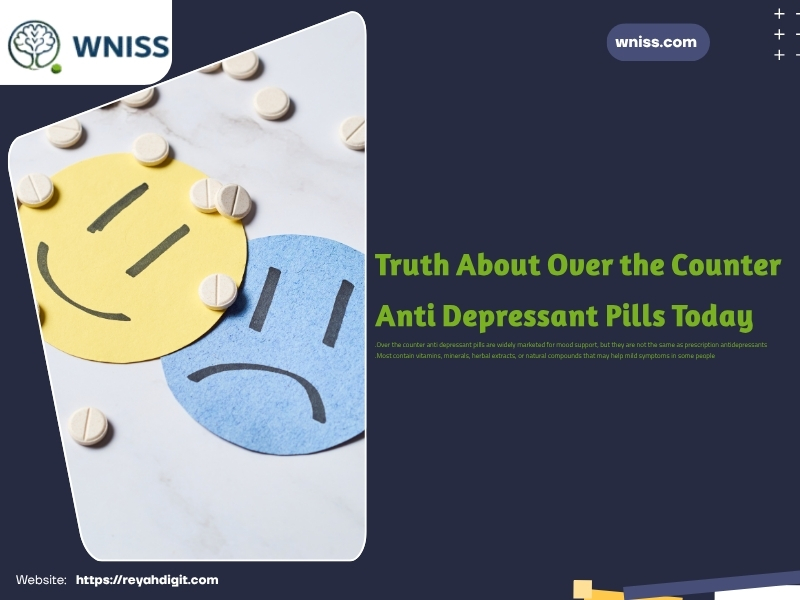
Truth About Over the Counter Anti Depressant Pills Today
Quick Answer (BLUF)
Over the counter anti depressant pills are widely marketed for mood support, but they are not the same as prescription antidepressants. Most contain vitamins, minerals, herbal extracts, or natural compounds that may help mild symptoms in some people. However, they cannot replace professional diagnosis or treatment for clinical depression.
| Topic | Key Takeaway |
|---|---|
| What are over the counter anti depressant pills? | Dietary supplements sold without a prescription. |
| Do they treat depression? | No OTC pill is approved to treat major depressive disorder. |
| Common ingredients | St. John’s Wort, SAM-e, omega-3s, saffron, vitamin D, B vitamins. |
| Best for | Mild mood support alongside healthy lifestyle habits. |
| Risks | Drug interactions, inconsistent quality, delayed medical care. |
| When to see a doctor | Symptoms lasting over two weeks, suicidal thoughts, or significant impairment. |
What Are Over the Counter Anti Depressant Pills?
Many people search for over the counter anti depressant pills because they want accessible solutions for low mood, sadness, stress, or anxiety. Unlike prescription antidepressants, these products are classified as dietary supplements in many countries.
Manufacturers cannot legally claim that these supplements cure major depressive disorder. Instead, they often advertise support for emotional wellness, stress management, or healthy mood balance.
Common products include:
Herbal supplements
Vitamin combinations
Mineral supplements
Amino acid derivatives
Omega-3 fatty acids
These products are available online, pharmacies, and health food stores without a prescription.
How Prescription Antidepressants Differ
Prescription antidepressants undergo extensive clinical testing before approval.
Common prescription classes include:
Selective serotonin reuptake inhibitors (SSRIs)
Serotonin-norepinephrine reuptake inhibitors (SNRIs)
Tricyclic antidepressants
Atypical antidepressants
Monoamine oxidase inhibitors (MAOIs)
Healthcare providers prescribe these medications after evaluating:
Symptoms
Medical history
Other medications
Physical health
Risk factors
Over the counter anti depressant pills do not undergo the same approval process for treating depression.
Why People Look for OTC Alternatives
People often prefer non-prescription options because they:
Want privacy
Hope to avoid medication side effects
Face limited healthcare access
Seek natural remedies
Experience mild emotional distress
These reasons are understandable. However, self-treatment has limitations, especially when symptoms are severe or persistent.
Common Ingredients in Over the Counter Anti Depressant Pills
St. John’s Wort
St. John’s Wort is one of the most researched herbal mood supplements.
Some studies suggest it may help certain people with mild to moderate depressive symptoms.
However, it can interact with numerous medications, including:
Birth control pills
Blood thinners
Antidepressants
Heart medications
Organ transplant medications
Never combine it with prescription antidepressants unless directed by a healthcare professional.
SAM-e
SAM-e (S-adenosyl-L-methionine) naturally occurs in the body.
Research suggests it may support neurotransmitter production involved in mood regulation.
Potential side effects include:
Nausea
Insomnia
Anxiety
Digestive discomfort
People with bipolar disorder should avoid SAM-e unless supervised by a physician because it may trigger mania.
Omega-3 Fatty Acids
Fish oil supplements contain EPA and DHA.
Evidence suggests higher EPA formulations may provide modest benefits alongside standard depression treatment.
Omega-3 supplements also support:
Heart health
Brain function
Eye health
Saffron Extract
Saffron has attracted increasing research interest.
Several clinical trials indicate standardized saffron extract may improve mild depressive symptoms.
More research remains necessary before recommending it as a primary treatment.
Vitamin D
Low vitamin D levels have been associated with depressive symptoms in some individuals.
Supplementation helps when laboratory testing confirms deficiency.
Taking vitamin D without deficiency does not necessarily improve mood.
B Vitamins
Vitamin B12 and folate play important roles in nervous system function.
Deficiencies may contribute to:
Fatigue
Low mood
Poor concentration
Healthcare providers sometimes recommend supplementation after blood testing.
Do Over the Counter Anti Depressant Pills Actually Work?
The answer depends on the individual.
Evidence suggests:
Some ingredients have modest scientific support.
Results vary considerably.
Supplements generally work less consistently than prescription medications.
Clinical depression usually requires comprehensive treatment.
No single over the counter anti depressant pills consistently produce the same benefits seen with approved antidepressant medications.
Lifestyle Changes Often Matter More
Supplements work best when combined with healthy habits.
Important lifestyle strategies include:
Regular Exercise
Physical activity can increase endorphins and improve mood.
Aim for:
150 minutes of moderate exercise weekly
Walking
Swimming
Cycling
Strength training
Quality Sleep
Adults generally need 7–9 hours of sleep each night.
Poor sleep often worsens:
Depression
Anxiety
Irritability
Fatigue
Healthy Nutrition
Balanced diets rich in:
Vegetables
Fruits
Lean proteins
Whole grains
Healthy fats
may support overall mental health.
Stress Reduction
Helpful approaches include:
Meditation
Mindfulness
Deep breathing
Yoga
Journaling
Who Should Avoid OTC Mood Supplements?
Certain individuals should use extra caution.
These include people who:
Are pregnant
Are breastfeeding
Have bipolar disorder
Take multiple medications
Have liver disease
Have kidney disease
Always discuss supplements with your healthcare provider.
Possible Side Effects
Although marketed as natural, supplements may still cause adverse effects.
Possible reactions include:
Upset stomach
Headache
Dizziness
Allergic reactions
Sleep disturbances
Natural does not automatically mean safe.
Drug Interactions
One major concern with over the counter anti depressant pills is interaction with prescription medications.
Examples include:
Antidepressants
Blood pressure medications
Diabetes medicines
Blood thinners
Seizure medications
Always review every supplement with your pharmacist or physician.
When Symptoms May Signal Clinical Depression
Seek professional evaluation if symptoms include:
Persistent sadness
Loss of interest
Sleep changes
Appetite changes
Low energy
Feelings of worthlessness
Difficulty concentrating
Thoughts of death or suicide
Symptoms lasting longer than two weeks deserve medical attention.
Warning Signs That Require Immediate Help
Emergency care is appropriate when someone experiences:
Suicidal thoughts
Suicide planning
Self-harm behavior
Hallucinations
Severe inability to function
These situations require urgent professional assessment.
How Healthcare Providers Diagnose Depression
Diagnosis usually includes:
Medical history
Mental health interview
Physical examination
Medication review
Laboratory testing when appropriate
This evaluation helps identify underlying causes such as thyroid disease or vitamin deficiencies.
Safe Ways to Support Your Mood
A balanced plan may include:
Professional therapy
Regular exercise
Nutritious eating
Good sleep hygiene
Social support
Stress management
Evidence-based medications when indicated
Supplements should complement—not replace—appropriate medical care.
Choosing Quality Supplements
If you decide to purchase over the counter anti depressant pills, consider:
Third-party quality testing
Transparent ingredient lists
Standardized herbal extracts
Recommended dosage guidance
Reputable manufacturers
Avoid products promising instant cures or guaranteed results.
Internal Linking Opportunities
Consider naturally linking this article to related resources:
Understanding Depression Symptoms: https://wniss.com/en-gb/depression/
Depression Education & Recovery Guides: https://wniss.com/en-gb/category/depression/
Frequently Asked Questions
Can over the counter anti depressant pills replace prescription antidepressants?
No. OTC supplements are not approved replacements for prescription antidepressants in treating major depressive disorder.
Are natural antidepressant supplements completely safe?
No. Natural products can cause side effects and interact with many medications.
Which OTC ingredient has the strongest research?
Among supplements, St. John’s Wort has substantial research for mild to moderate depressive symptoms, but it also has significant drug interaction risks.
How long do OTC mood supplements take to work?
When effective, benefits may take several weeks. Results vary depending on the supplement and the individual.
Should I talk to my doctor before taking OTC mood supplements?
Yes. This is especially important if you take prescription medications, have chronic medical conditions, are pregnant, or have symptoms of clinical depression.
Source
https://en.wikipedia.org/wiki/Depression_(mood)
Medical Disclaimer: The information provided in this article is for educational purposes only and should not be used as a substitute for professional medical advice, diagnosis, or treatment. Never rely on this information alone to diagnose or treat a medical condition. Always consult a qualified healthcare professional before starting any new treatment, supplement, or medication, or making changes to your current healthcare plan.