خطوتك الأولى نحو راحة البال تبدأ من هنا
Quick Answer (BLUF)
Understanding gut bacteria and depression relationships begins with recognizing that the gut and brain constantly communicate through the gut-brain axis. Research suggests that an imbalance in gut bacteria may influence mood, inflammation, stress responses, and neurotransmitter production. While gut health alone does not cause or cure depression, maintaining a balanced microbiome may support overall mental well-being alongside professional treatment.
| Topic | Key Takeaway |
|---|---|
| Primary Keyword | Understanding Gut Bacteria and Depression Relationships |
| Main Focus | The connection between the gut microbiome and mental health |
| Scientific Basis | Gut-brain axis, immune system, neurotransmitters, inflammation |
| Possible Benefits | Improved digestive health, emotional well-being, stress resilience |
| Medical Consensus | Supports mental health but does not replace evidence-based depression treatment |
| Best Approach | Healthy diet, exercise, sleep, stress management, and medical guidance |
Understanding Gut Bacteria and Depression Relationships
Understanding gut bacteria and depression relationships has become one of the fastest-growing areas of neuroscience and nutrition research. Scientists now recognize that the digestive system and the brain communicate continuously through an extensive network known as the gut-brain axis.
This communication occurs through nerves, hormones, immune cells, and microbial metabolites. As researchers explore this complex system, they have discovered that the trillions of microorganisms living inside the digestive tract may influence emotional regulation, cognitive function, and mental health.
Although depression remains a complex medical condition with biological, psychological, environmental, and genetic causes, gut bacteria may represent one important piece of the puzzle.
Internal Linking Suggestion: Learn more about depression fundamentals: https://wniss.com/en-gb/depression/
What Is the Gut Microbiome?
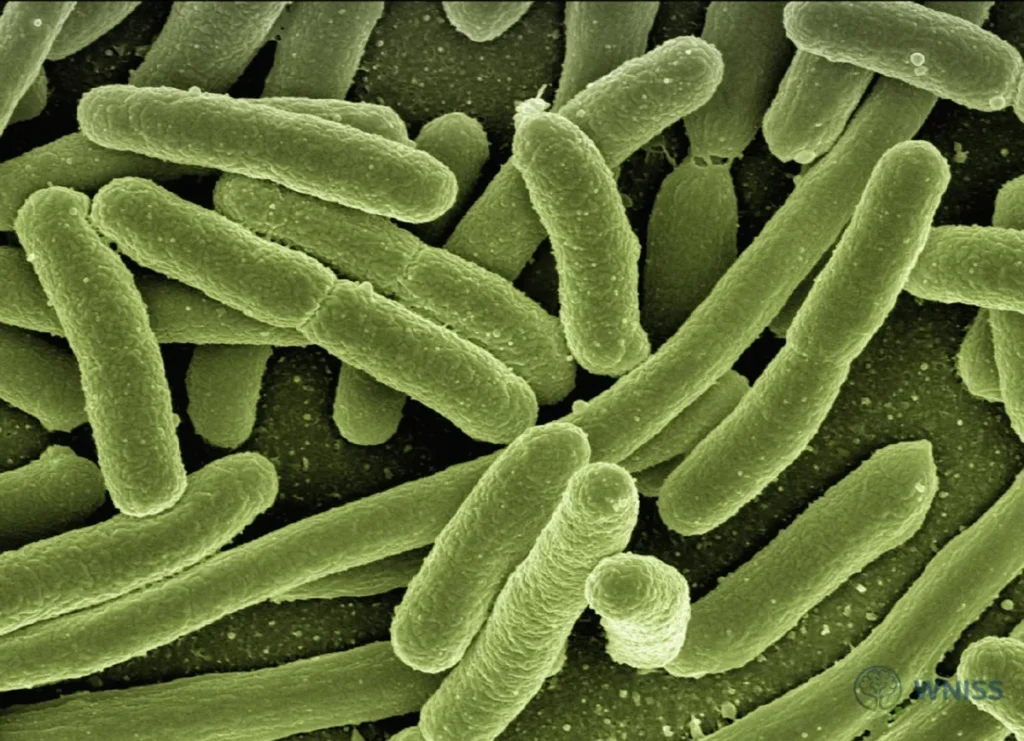
The gut microbiome consists of trillions of microorganisms, including:
Bacteria
Viruses
Fungi
Archaea
Other microscopic organisms
Most of these microbes live in the large intestine. Rather than being harmful, many play essential roles in maintaining health.
Healthy gut bacteria help:
Digest dietary fiber
Produce vitamins
Strengthen the immune system
Protect against harmful microbes
Produce beneficial compounds called short-chain fatty acids
A diverse microbiome generally indicates better overall gut health.
The Gut-Brain Axis Explained
The gut-brain axis refers to the two-way communication network connecting the digestive system with the central nervous system.
Several pathways make this communication possible.
The Vagus Nerve
The vagus nerve acts like a communication highway between the gut and the brain.
Signals generated in the digestive tract travel rapidly to brain regions involved in:
Mood
Appetite
Stress regulation
Emotional processing
Immune System Communication
Approximately 70% of immune cells are associated with the digestive system.
Gut bacteria influence immune activity, which can affect inflammation throughout the body, including the brain.
Hormonal Signaling
Gut microbes interact with hormones that regulate:
Hunger
Stress
Sleep
Energy balance
These hormones also influence emotional well-being.
How Gut Bacteria May Influence Depression
Scientists continue studying exactly how gut bacteria affect depression.
Current evidence suggests several important mechanisms.
Neurotransmitter Production
Gut microbes contribute to producing chemicals involved in brain function.
These include:
Serotonin
Dopamine
Gamma-aminobutyric acid (GABA)
Interestingly, a large proportion of the body’s serotonin is produced in the digestive tract. Although gut serotonin does not directly enter the brain, it influences communication throughout the gut-brain axis.
Inflammation
Chronic inflammation has been associated with depression in some individuals.
An unhealthy microbiome may:
Increase intestinal permeability
Activate immune responses
Promote inflammatory molecules
Elevated inflammation may influence brain function and mood regulation.
Stress Response
The microbiome appears to influence the hypothalamic-pituitary-adrenal (HPA) axis, which controls stress hormones such as cortisol.
An imbalance in gut bacteria may contribute to exaggerated stress responses.
Production of Short-Chain Fatty Acids
Healthy bacteria ferment dietary fiber into:
Butyrate
Propionate
Acetate
These compounds help:
Reduce inflammation
Protect intestinal cells
Support healthy immune function
Potentially influence brain health
What Research Says
Numerous studies have explored gut bacteria in people with depression.
Researchers have found that some individuals with depression show:
Reduced microbial diversity
Lower levels of beneficial bacteria
Increased inflammatory bacteria
Different metabolic activity
Animal studies have also demonstrated intriguing findings.
For example, transferring gut bacteria from individuals with depression into laboratory animals has produced depression-like behaviors in some experiments.
Human studies continue to investigate whether modifying the microbiome can improve depressive symptoms.
While early findings are promising, researchers emphasize that more large, high-quality clinical trials are necessary.
Factors That Affect Gut Bacteria
Many daily habits influence the microbiome.
Diet
Food is one of the strongest influences.
A diverse diet rich in plant foods supports beneficial bacteria.
Helpful foods include:
Fruits
Vegetables
Whole grains
Beans
Lentils
Nuts
Seeds
Fiber Intake
Fiber serves as food for beneficial microbes.
Higher fiber intake often promotes greater bacterial diversity.
Fermented Foods
Fermented foods naturally contain beneficial microorganisms.
Examples include:
Yogurt with live cultures
Kefir
Sauerkraut
Kimchi
Miso
Sleep
Poor sleep may negatively affect both gut bacteria and mental health.
Maintaining consistent sleep habits supports overall wellness.
Physical Activity
Regular exercise appears to increase microbial diversity while also improving mood.
Stress
Chronic stress can alter the microbiome.
Stress reduction techniques may benefit both digestive and emotional health.
Foods That Support Gut Health
High-Fiber Foods
Examples include:
Oats
Apples
Pears
Berries
Broccoli
Carrots
Prebiotic Foods
Prebiotics feed healthy bacteria.
Good sources include:
Garlic
Onions
Leeks
Bananas
Asparagus
Chicory root
Probiotic Foods
These introduce beneficial microorganisms.
Examples include:
Yogurt
Kefir
Tempeh
Kimchi
Fermented vegetables
Polyphenol-Rich Foods
Plant compounds may encourage healthy microbial growth.
Sources include:
Green tea
Cocoa
Olive oil
Blueberries
Grapes
Can Probiotics Treat Depression?
Researchers have investigated whether probiotics may improve mood.
Some studies suggest modest improvements in:
Mild depressive symptoms
Anxiety
Stress perception
However, probiotics are not considered a standalone treatment for major depressive disorder.
Different probiotic strains produce different effects.
Researchers continue identifying which strains may provide the greatest benefit.
Anyone considering probiotic supplements should consult a healthcare professional, particularly if they have underlying medical conditions.
Lifestyle Habits That Benefit Both Gut and Mental Health
Healthy daily habits often support both digestive and emotional well-being.
These include:
Eating a varied, fiber-rich diet
Staying physically active
Sleeping seven to nine hours nightly
Managing chronic stress
Drinking adequate water
Avoiding excessive alcohol
Not smoking
Maintaining regular meal patterns
Small, consistent improvements often produce better long-term outcomes than drastic dietary changes.
Risk Factors for Gut Microbiome Imbalance
Several factors may disrupt healthy gut bacteria.
These include:
Frequent antibiotic use
Highly processed diets
Chronic stress
Sleep deprivation
Sedentary lifestyle
Smoking
Excessive alcohol consumption
Certain chronic illnesses
Addressing these factors may help restore microbial diversity over time.
When to Seek Professional Help
Depression should always receive appropriate medical evaluation.
Seek professional care if symptoms:
Last longer than two weeks
Interfere with work or school
Affect relationships
Cause significant distress
Include thoughts of self-harm or suicide
Improving gut health can complement medical care but should never replace professional diagnosis or treatment.
Internal Linking Suggestion: Explore additional educational resources about depression: https://wniss.com/en-gb/category/depression/
Future Research
Scientists continue exploring several exciting questions.
Current areas of investigation include:
Personalized nutrition based on microbiome analysis
Precision probiotic therapies
Fecal microbiota transplantation for psychiatric disorders
Microbial biomarkers for depression
Diet-based interventions targeting specific bacterial species
As research advances, healthcare providers may eventually incorporate microbiome information into personalized mental health care.
Key Takeaways
Understanding gut bacteria and depression relationships highlights the remarkable connection between digestive and mental health. A balanced microbiome supports immune function, reduces inflammation, and contributes to the gut-brain communication network. Although maintaining healthy gut bacteria may support emotional well-being, depression remains a complex condition requiring comprehensive care that may include psychotherapy, medication, lifestyle changes, and ongoing medical support.
Frequently Asked Questions
1. Can unhealthy gut bacteria cause depression?
Current evidence suggests gut bacteria may influence depression risk, but they are not considered the sole cause. Depression results from multiple interacting biological, psychological, environmental, and genetic factors.
2. Which foods improve gut bacteria?
Fiber-rich fruits, vegetables, legumes, whole grains, fermented foods, nuts, seeds, and prebiotic-rich vegetables help support a healthy microbiome.
3. Are probiotics effective for depression?
Some research shows modest benefits for certain people, but probiotics should complement—not replace—professional depression treatment.
4. How long does it take to improve gut health?
Changes in the gut microbiome may begin within days of dietary improvements, although lasting benefits generally require consistent healthy habits over weeks to months.
5. Should everyone with depression take probiotics?
Not necessarily. The best approach depends on individual health needs. Discuss probiotic supplements with a qualified healthcare professional before starting them.
Source
https://en.wikipedia.org/wiki/Depression_(mood)
Medical Disclaimer
The materials and information presented in this article are intended for educational and informational purposes only and are not a substitute for advice from a qualified physician or licensed healthcare provider. Do not rely on this information to diagnose or treat any medical condition. Always consult your healthcare provider before starting any new treatment or making changes to your diet, medications, or healthcare plan.